Filtered by Oral Health Goal
Every time you bite, chew and speak, each tooth in your mouth plays a different role 1. Broadly speaking, your teeth work as a team to prepare food before you swallow. Incisors cut, canines tear, premolars crush, and molars grind 1. In this guide, you will find the answer to how many teeth do we have, what each type of tooth does, and simple ways to care for them all every day.
How Many Teeth Do We Have? Children vs. Adults
Many people wonder, “how many teeth do we have?” The answer changes with age. Children usually have 20 baby teeth, while adults typically have 32 permanent teeth 1.
This quick table shows the difference:
| Type of tooth | Children | Adults |
| Incisors | 8 | 8 |
| Canines | 4 | 4 |
| Premolars | 0 | 8 |
| Molars | 8 baby molars | 12 permanent molars |
In an adult set, the wisdom teeth also count as the third molars 2. Not everyone ends up with a full 32, though. Some people never develop wisdom teeth, while others have them removed because of space or oral health issues.
The Four Types of Teeth: Position, Shape and Function
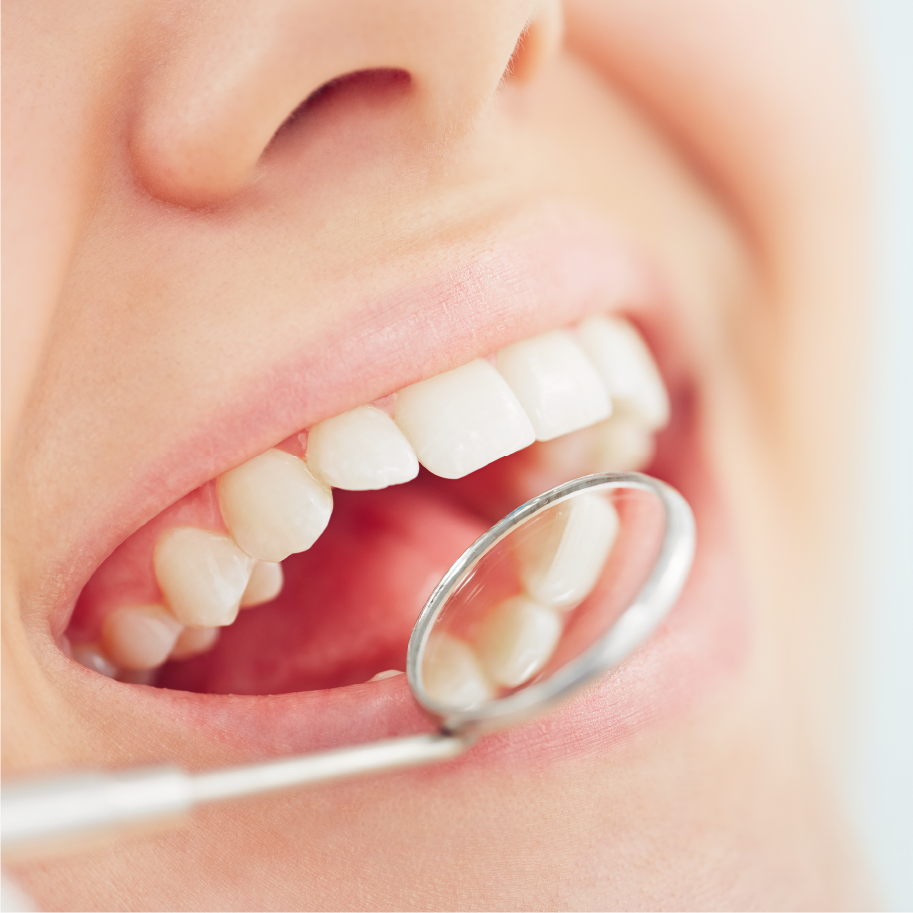
Each type of tooth has its own position, shape and job that helps you eat, speak and smile comfortably 1.
Incisors
Incisors sit right at the front of your mouth and have flat, chisel-like edges.
Canines
Canines are the pointed teeth next to your incisors. Their shape suits tasks that need a stronger bite 3.
Premolars
Premolars sit between your canines and molars. They act as the transition team before food reaches the back of your mouth.
Molars
Molars are the large teeth at the back of your mouth. Their surfaces are wide and flat, which makes them ideal for heavier chewing work 1.
Focus on Molars: Your Strongest Chewing Teeth
Molars matter enormously in your daily eating routine, because they handle the heaviest chewing 1. They help you enjoy a wide range of foods such as:
That said, molars are also more prone to cavities. Many people wonder why molars get cavities more often than other teeth. The main reasons include:
To help look after your molars, pay extra attention to the back teeth when brushing and make sure the grooved areas are cleaned well. For some children and adults, dental sealants for molars can be an added option that covers the chewing grooves and helps reduce the risk of decay 4.

How All Your Teeth Work Together Every Day
Chewing happens in stages, and each type of tooth plays its own part:
Beyond eating, your teeth also matter for clear speech and for supporting the structure of your face. If a tooth is missing or uncomfortable, everyday chewing can become less comfortable.

Daily Care Tips for Every Part of Your Mouth
A good oral care routine should account for the different needs in each zone of your mouth.
Front teeth
Brush gently along the gumline with soft, circular movements. This helps clean the enamel without scrubbing too hard.
Back teeth
Spend more time on your molars. Angle your toothbrush so it can clean the chewing grooves and the back corners of your mouth that are often missed 5.
Between teeth
Use floss or an interdental cleaner at least once a day. Pay attention to the gaps between your molars, since these areas collect plaque easily.
Daily habits that help
Use fluoride toothpaste and a soft-bristled toothbrush to support your oral hygiene every day 6. If you would like an option with fluoride and a refreshing double mint taste, Darlie Double Action Toothpaste can be used as part of your daily routine. Darlie Wavy Fresh Toothbrush, with indicator bristles that fade to remind you when it is time for a new brush, pairs well for reaching your back molars. If you would prefer a toothpaste geared toward gum health, Darlie Gum & Teeth Protect Lasting Fresh Toothpaste offers an Advanced Zinc Citrate Formula for 3x plaque removal power* alongside 12-hour fresh breath.

Conclusion
Every type of tooth, from your incisors to your molars, has an important job in helping you eat, speak and keep a healthy smile. Once you understand what each one does, it is easier to tailor your daily oral care routine more effectively. Basics like brushing twice a day, cleaning between your teeth daily, and paying extra attention to your back teeth all help support long-term oral health. Darlie Double Action Toothpaste or Darlie Gum & Teeth Protect Lasting Fresh Toothpaste, paired with Darlie Wavy Fresh Toothbrush, can help you keep that routine going.
1. Teeth - https://my.clevelandclinic.org/health/body/24655-teeth
2. Wisdom Teeth | American Dental Association - https://www.ada.org/sitecore/content/ADA-Organization/ADA/MouthHealthy/home/all-topics-a-z/wisdom-teeth
3. Biology of the Teeth - MSD Manual Consumer Version - https://www.msdmanuals.com/home/mouth-and-dental-disorders/biology-of-the-mouth-and-teeth/biology-of-the-teeth
4. Dental Sealants - https://www.cdc.gov/oralhealth/dental_sealant_program/sealants-FAQ.htm
5. About Dental Sealants - https://www.cdc.gov/oral-health/prevention/about-dental-sealants.html
6. Fluoride | National Institute of Dental and Craniofacial Research - https://www.nidcr.nih.gov/health-info/fluoride
*3X reduction of plaque index compared with a regular Darlie toothpaste without Zinc Citrate, according to test value based on the clinical study with randomised, double-blind, parallel and controlled-design with continuous use of toothpaste for 3 months.
Frequently Asked Questions
A: Adults usually have 32 permanent teeth. Some people have fewer if their wisdom teeth never developed or have been removed.
A: Premolars are smaller and sit behind the canines. Molars are larger and grind food more powerfully before you swallow.
A: The surfaces of molars have deep grooves that easily trap food debris and plaque. Their position at the back of the mouth also makes them harder to clean thoroughly.
A: No. Children usually have 20 baby teeth, while adults typically have 32 permanent teeth.
Recommended Products