Filtered by Oral Health Goal
Worried about a damaged tooth? A dental crown might be the perfect solution. Crowns not only restore function and aesthetics but also protect your tooth from further issues. Alongside choosing the right treatment, maintaining excellent oral hygiene with comprehensive care products—like those offered by Darlie® Malaysia—is essential for long-lasting dental health.
Introduction
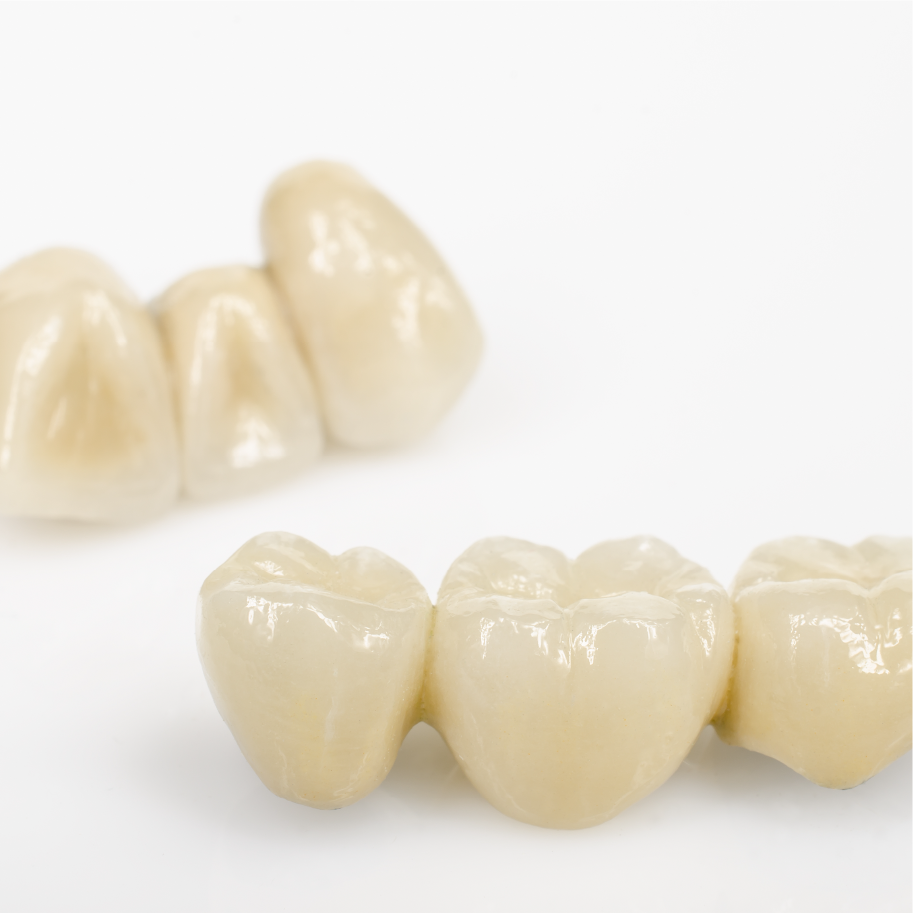
Dental crowns, often referred to as "teeth crowning," are a common dental procedure designed to restore a damaged or weakened tooth1. Essentially, a crown is a custom-made cap placed over a tooth to enhance its shape, size, strength, and appearance. Making an informed decision about which crown suits your needs is as essential as selecting the proper oral care routine. That’s where Darlie comes in—by offering an array of oral hygiene solutions that help maintain the overall health of your teeth, they play an important role in preserving the longevity of your dental work, including crowns.
With a commitment to quality and innovation, Darlie® Malaysia provides a range of products—from toothbrushes with soft, thin bristles to innovative fluoride toothpastes—designed for effective cleaning and protection. Whether you’re a fan of at-home dental routines or need products that fit into your on-the-go lifestyle, Darlie has got you covered.
What is a Dental Crown and Why Might You Need One?
A dental crown is a tooth-shaped cap that covers a damaged tooth. The benefits of dental crowns include:

As you consult with your dentist about the best restorative option, it’s also wise to ensure your daily oral care routine is robust. Regular brushing and flossing not only protect your natural teeth but can also help your dental crown last longer. Using products like Darlie Fluoride Toothpaste can provide cavity-fighting benefits and maintain the overall health of your gums and enamel. Plus, pairing it with a gentle cleaning tool, such as the Darlie Toothbrush Types that feature soft and thin bristles, ensures a thorough yet careful cleaning process.
Exploring the Different Types of Dental Crowns
Understanding the various types of dental crowns can help you engage in an informed conversation with your dentist. Here’s a look at the options:
Porcelain-Fused-to-Metal (PFM) Crowns
Composition: PFM crowns combine a strong metal base with a porcelain overlay.
Pros:
Cons:
Ideal Placement: Typically used for back teeth where strength is crucial yet aesthetics still carry importance.
All-Ceramic or All-Porcelain Crowns
Composition: Crafted entirely from ceramic or porcelain materials.
Pros:
Cons:
Ideal Placement: Best suited for front teeth when a brilliant, natural smile is desired.
Zirconia Crowns
Composition: Made from zirconia, a robust ceramic material.
Pros:
Cons:
Ideal Placement: Suitable for both front and back teeth, especially in cases where metal allergies are a concern.
Metal Crowns (Gold & Base Alloys)
Description: Constructed from high noble gold alloys or base metal alloys like cobalt-chromium.
Pros:
Cons:
Ideal Placement: Ideal for molars where chewing forces are maximal and aesthetics are less of a priority.
E-max Crowns (Lithium Disilicate)
Composition: Manufactured from lithium disilicate ceramic2.
Pros:
Cons:
Ideal Placement: Well-suited for front teeth, veneers, and inlays where aesthetics and minimal intervention are key.

Factors to Consider When Choosing a Dental Crown
When you and your dentist are evaluating your options, think about these key factors:

Integrating preventive oral care can also influence the success of your dental crown. Beyond the specialized treatment provided by your dentist, daily oral hygiene—using products such as Darlie’s fluoride toothpaste and soft-bristled toothbrushes—helps reduce plaque buildup and maintain overall dental health3.
The Dental Crown Procedure: What to Expect
If your dentist’s recommendation for a crown is confirmed, here’s an overview of the typical procedure:
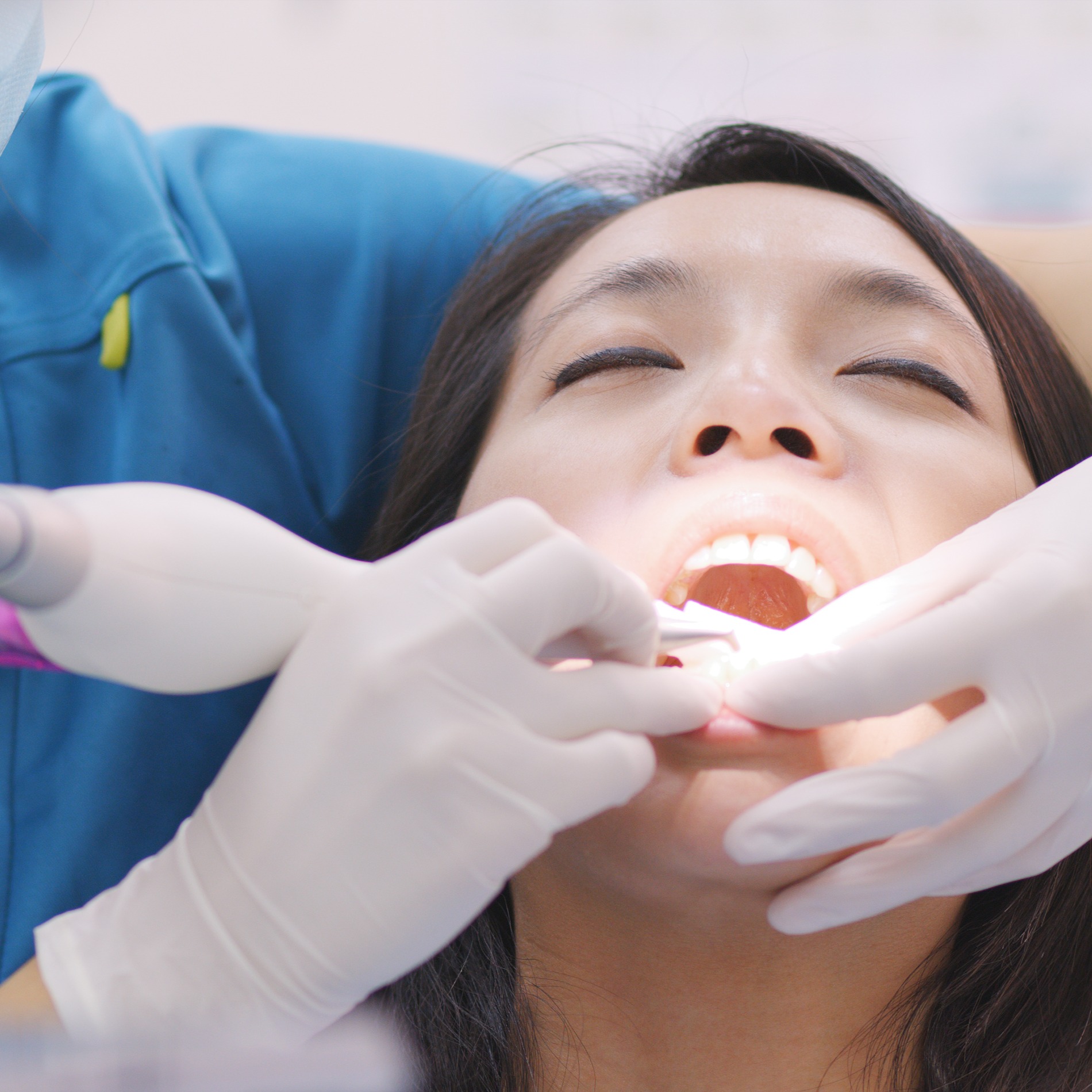
Post-procedure, following your dentist’s care instructions is vital. Incorporating gentle cleaning routines—such as brushing with a Darlie Toothbrush known for its soft bristles—can help ensure that both your crown and natural teeth remain in peak condition.
Caring for Your Dental Crown to Maximize Longevity
Maintaining your dental crown is integral to extend its lifespan and safeguard your overall oral health. Consider the following care tips:

Consistent oral care not only helps in prolonging the life of your dental crown but also serves as a preventive measure against further dental issues.
Conclusion
Dental crowns come in various types—each with its own advantages and considerations. Whether you opt for the strength of a metal crown, the natural aesthetics of an all-ceramic crown, or the versatility of zirconia or E-max crowns, consulting with your dentist is key to making the best choice for your dental health.
Remember, the longevity and success of any dental treatment depend significantly on the care you provide your mouth every day. By integrating a proper oral hygiene routine—utilizing quality products like Darlie Fluoride Toothpaste and the gently effective Darlie Toothbrush—you’re taking a proactive step in preserving both your natural teeth and your dental crowns.
So why not discuss your dental crown options with your dentist and explore how a holistic approach to oral care can lead to a healthier, more confident smile? Your journey to excellent dental health starts with choosing the right crown and reinforcing it with reliable, everyday care. Enjoy the benefits of bright, healthy teeth with products that care as much as you do!
Recommended Products