Filtered by Oral Health Goal
Have you ever wondered what happens when you need a tooth filling? Whether it’s due to cavities or tooth decay, understanding the process and what to expect can ease the anxieties often associated with dental procedures. This comprehensive guide will walk you through the world of teeth fillings—their necessity, the types available, the procedure itself, and how to care for your teeth afterward—all while offering practical tips to maintain a healthy smile with everyday oral care.
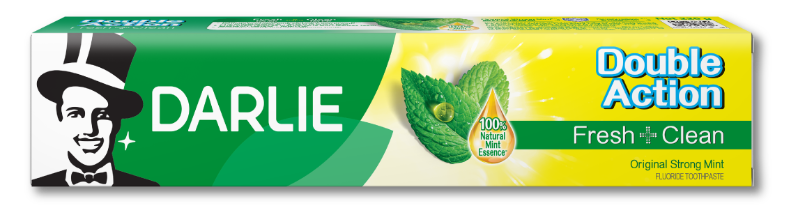
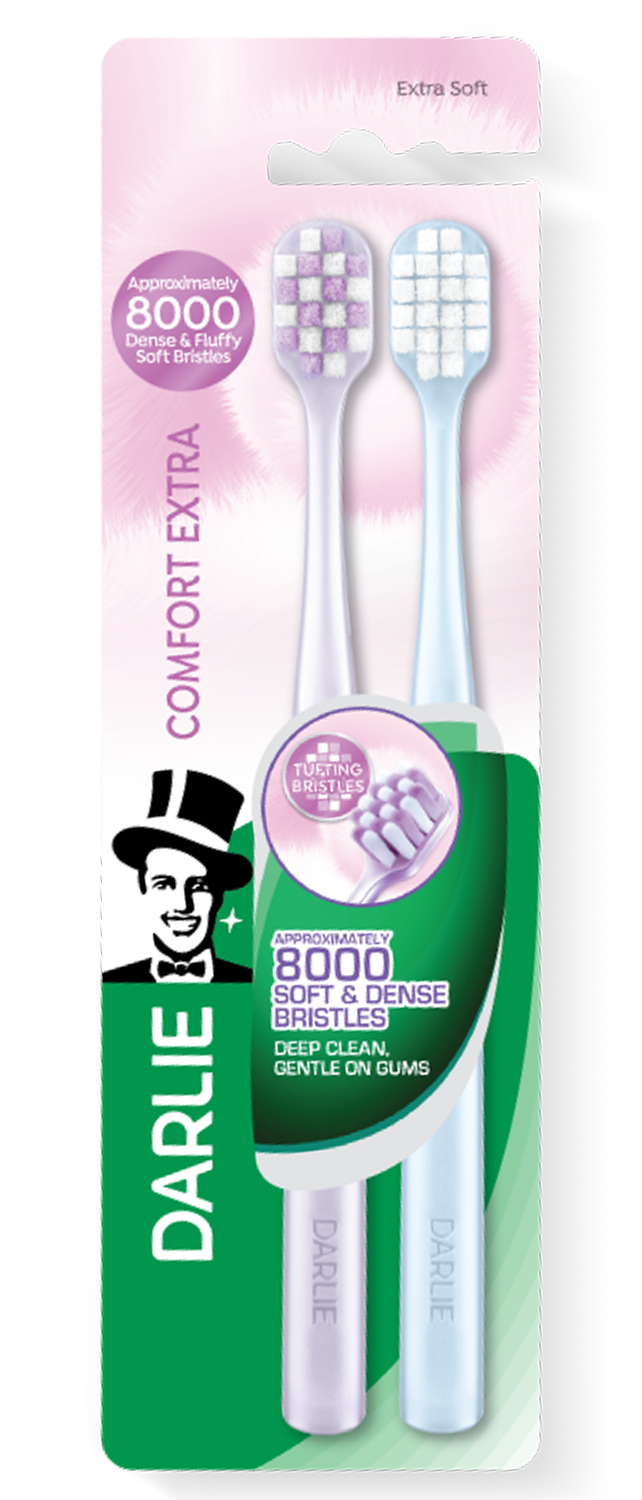
Teeth fillings play a vital role in restoring teeth damaged by decay and preventing further dental complications. When plaque and bacteria erode your tooth enamel, cavities develop, necessitating fillings to restore your tooth’s structure and function. Darlie, a trusted name in preventative oral care, emphasizes that fillings are only one part of a broader approach to maintaining your smile. Pairing professional dental treatments with a strong home care routine—such as using quality products like Darlie Fluoride Toothpaste and Darlie Toothbrushes—can make a significant difference in your oral health.
Dental procedures can seem intimidating, but with the right information and proper at-home care, many of the common fears associated with dental visits can be alleviated. Let’s dive into the reasons fillings are needed, explore the different materials available, and detail the step-by-step process of a filling procedure.
Understanding Why Fillings Are Necessary
Tooth decay starts when bacteria feed on sugars in the foods you eat, producing acids that slowly wear away at your tooth’s protective enamel. When this erosion becomes significant, cavities form, and if left unattended, these cavities can lead to:

A proactive daily oral care routine is essential to combat these issues. Regular brushing and flossing, supported by products such as Darlie’s range of oral care essentials, can help remove plaque and strengthen enamel. Darlie Fluoride Toothpaste, enriched with natural ingredients and fluoride, is designed to remove stains and build stronger enamel, while the gentle bristles of Darlie Toothbrushes ensure every tooth is cleaned thoroughly. By incorporating these products into your routine, you can help prevent the decay that leads to cavities and fillings.
Types of Teeth Fillings: Materials and Considerations
When it comes to choosing the right filling material, several factors come into play, including the cavity’s location, size, aesthetic preferences, and cost. Here’s an overview:
Composite (Resin) Fillings
Composite fillings are tooth-colored, making them ideal for visible parts of your smile. They bond directly to the tooth, preserving much of the natural structure. While composites offer good aesthetic appeal and strength, they may not withstand heavy chewing forces as robustly as other materials in some cases2.
Amalgam (Silver) Fillings
Renowned for their durability and longevity, amalgam fillings are a cost-effective choice3. However, their silvery appearance makes them less desirable for teeth that are frequently visible when you smile.
Gold Fillings
Gold fillings, though more expensive, provide exceptional durability and biocompatibility4. Their distinct appearance and higher cost may make them a choice for patients looking for long-lasting solutions rather than purely aesthetic ones.
Ceramic Fillings
Ceramic fillings offer superior aesthetics and excellent stain resistance5. They are durable and blend well with natural tooth color, though they tend to be more costly than other options.

When selecting a filling material, it’s essential to consider the demands of your lifestyle and the specific needs of your dental situation. Your dentist will help recommend a material based on factors like the filling’s location and your budget.
The Teeth Filling Procedure: What to Expect Step-by-Step

Pre-Procedure
Understanding the process can help reduce any apprehension you might feel. Here’s a breakdown of a typical tooth filling procedure:
During the Procedure
Post-Procedure
After the procedure, following your dentist’s aftercare instructions is crucial:
While professional treatment is essential, maintaining excellent oral hygiene between visits can help preserve your dental work. Using gentle but effective products—such as Darlie’s toothpaste and toothbrush—can aid in managing any further decay after your filling.
Caring for Your Fillings and Maintaining Oral Health
The long-term success of dental fillings depends on your ongoing oral care routine. Here are some essential tips for post-filling care and overall oral hygiene:
Post-Filling Care Instructions

Long-Term Maintenance of Fillings
To ensure your fillings last and your teeth remain healthy:

Preventing Future Cavities
In addition to caring for existing fillings, prevention is key:
A well-rounded routine that combines professional care, regular dental visits, and quality home care products ensures you’re in the best position to maintain a healthy, vibrant smile. Darlie’s range of oral care products is designed with these needs in mind, helping you take proactive steps in preventing further decay and complications.

Conclusion
Teeth fillings are a critical component of dental care, restoring compromised teeth and preventing further issues down the line. By understanding the procedure and the importance of maintaining excellent oral hygiene with daily care, you can approach your dental visits with greater confidence. Combining professional treatments with a robust at-home routine—featuring reliable products like Darlie Fluoride Toothpaste and Darlie Toothbrushes—ensures that your smile remains bright and healthy.
If you’re looking to support your dental care routine, consider exploring these products. They’re designed to be gentle yet effective, helping you maintain your teeth and filling longevity while keeping your overall oral health in check. Embrace a future of fewer dental worries and discover the benefits of proactive care with Darlie—your partner in achieving a confident, radiant smile.
Remember, a healthy smile is built on both quality dental treatments and consistent, caring maintenance at home. Stay informed, practice good dental hygiene, and keep smiling!
1. https://dimensionsofdentalhygiene.com/article/explore-the-interplay-between-periodontal-infections-and-systemic-health/
2. https://www.mylakewindsdental.com/comparing-dental-composite-fillings-and-amalgam-strength-durability/
3. https://www.seanwilsondds.com/post/the-evolution-of-dental-fillings-from-amalgam-to-tooth-colored-options
4. https://www.pacificstreetdental.com/which-filling-material-lasts-longest/
5. https://melissadentalandorthodontics.com/ceramic-vs-composite-dental-fillings-which-should-you-choose/
2. https://www.mylakewindsdental.com/comparing-dental-composite-fillings-and-amalgam-strength-durability/
3. https://www.seanwilsondds.com/post/the-evolution-of-dental-fillings-from-amalgam-to-tooth-colored-options
4. https://www.pacificstreetdental.com/which-filling-material-lasts-longest/
5. https://melissadentalandorthodontics.com/ceramic-vs-composite-dental-fillings-which-should-you-choose/
Recommended Products