Filtered by Oral Health Goal
Have you ever run your tongue over your teeth and noticed a rough patch or a stubborn stain that just won't go away? You're not alone. These are common signs of tartar buildup—a persistent oral health challenge that many of us face. In this post, we’ll debunk some common myths about tartar and reveal the facts that empower you to take charge of your oral hygiene. With targeted care, including products like Darlie's comprehensive oral care range, achieving a tartar-free smile is more accessible than ever.
Understanding Tartar: What It Is and Why It Matters
What is Tartar (Calculus)?
Tartar, also known as dental calculus, is essentially hardened dental plaque. Plaque is a sticky film composed of bacteria and food debris that builds up on the teeth throughout the day1. When this plaque isn’t effectively removed by brushing and flossing, it mineralizes, forming a rough, hardened substance that we call tartar. Unlike soft plaque, tartar is much more stubborn and can only be removed through professional dental cleaning.
Why is Tartar Buildup a Problem?
Tartar buildup isn’t just an aesthetic concern. It can have significant implications for your oral health, including:
Tartar tends to accumulate in specific areas of the mouth, notably behind the lower front teeth (lingual surfaces), on the outer surfaces of the upper molars, and along the gumline. Recognizing these hotspots can help you focus your oral hygiene routine effectively.

Myth Busting: 3 Common Misconceptions About Tartar

Myth #1: "Only Old People Get Tartar."
Fact: Tartar isn’t exclusive to older adults. While changes in saliva production, compromised oral hygiene routines, or other age-related factors might contribute to a higher incidence among older individuals, everyone is at risk. Children and young adults can develop tartar too if they neglect consistent and proper oral care. This reinforces the need to cultivate excellent oral hygiene habits from an early age.
Myth #2: "I Can Remove Tartar Myself at Home."
Fact: While you can take measures at home to prevent tartar buildup, once tartar has formed, it needs to be removed by a dental professional. Home remedies or DIY tools, like online-purchased scaling instruments, may seem like convenient solutions but can be dangerous. Attempting to remove hardened tartar on your own can damage your enamel and irritate your gums. Regular dental checkups and professional cleanings are essential.
Myth #3: "Tartar Is Just a Cosmetic Issue."
Fact: Beyond altering the appearance of your teeth, tartar is a major contributor to oral health problems.
The Facts: Proven Ways to Prevent Tartar Buildup
Taking proactive steps to manage plaque and prevent tartar buildup is key to maintaining your overall dental health. Here are some proven methods:
Brush Regularly and Effectively
Brushing is one of the most basic yet crucial steps in preventing tartar formation. Here are some tips to optimize your routine:

Floss Daily
Flossing is essential for removing plaque and food particles from between teeth—areas where a toothbrush simply can’t reach. To floss effectively:

Use an Anti-Tartar Toothpaste and Mouthwash
Incorporating specialized anti-tartar products into your routine can further reduce the risk of buildup:

Maintain a Healthy Diet
Your dietary choices directly impact your oral health:

Regular Dental Checkups and Cleanings
No home routine can replace the benefits of a professional dental cleaning:

Bringing It All Together for a Healthier Smile
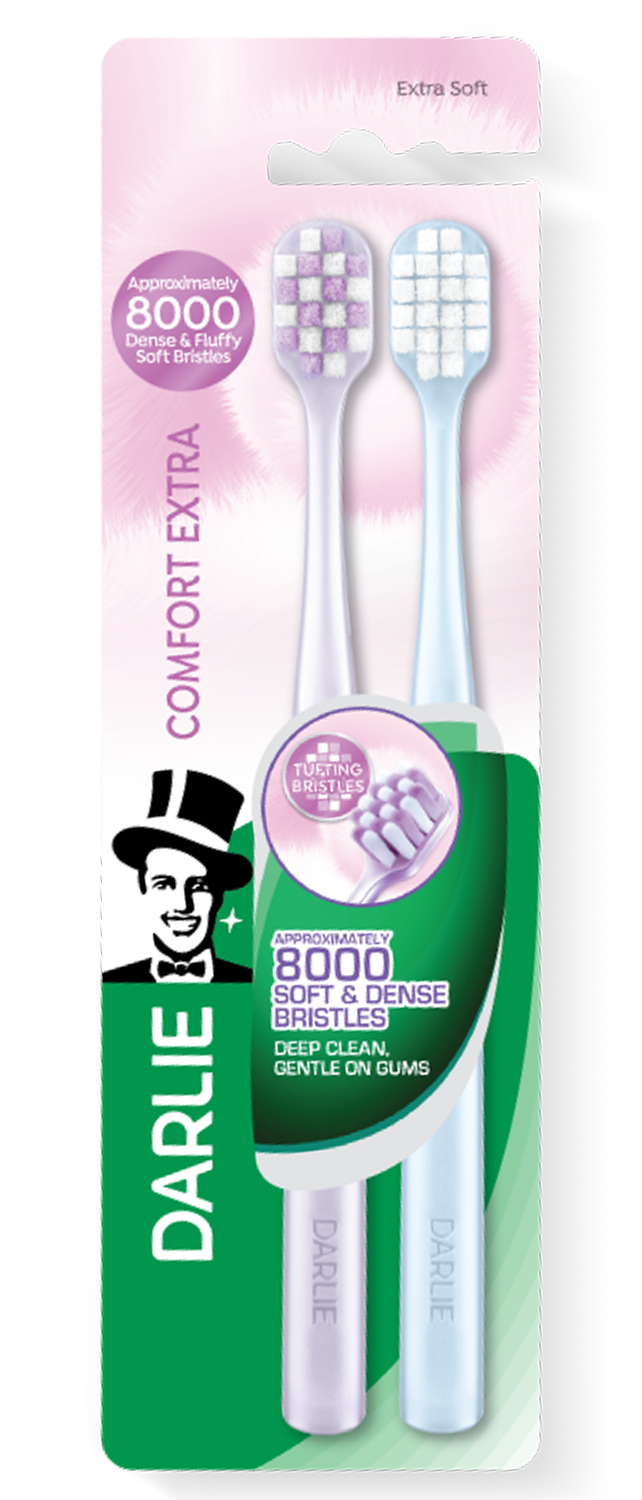
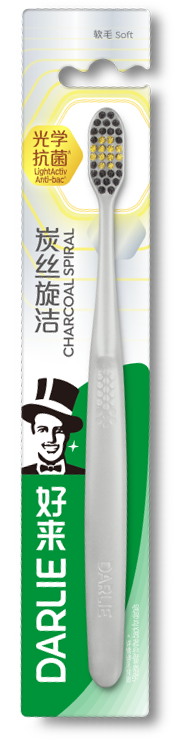
Combining expert oral care practices with the right products can effectively prevent tartar buildup and protect your long-term dental health. Using quality products, like the Darlie Fluoride Toothpaste paired with Darlie’s Toothbrush, creates a dynamic defense against plaque. These products are formulated with natural ingredients that provide gentle yet effective cleaning, ensuring your enamel remains strong and your gums stay healthy.
Integrating these products into your daily routine can elevate your oral hygiene to the next level. Whether you’re at home or on the move, these solutions are designed for a busy lifestyle while still providing comprehensive care. The synergy between an effective toothpaste and a well-designed toothbrush exemplifies how modern oral care tools empower you to maintain a radiant smile.
Understanding the facts about tartar, along with dispelling prevalent myths, is fundamental to preserving your oral health. Tartar isn’t merely a cosmetic problem. By adopting effective daily routines—such as thorough brushing, daily flossing, using a specialized toothpaste and mouthwash, and maintaining a balanced diet—you can successfully prevent tartar buildup.
For those looking to optimize their oral care, consider incorporating products from Darlie. With the Darlie Fluoride Toothpaste offering robust fluoride protection, whitening benefits, and gum care, and Darlie’s versatile Toothbrush providing gentle cleaning with soft, thin bristles for sensitive gums, you have a trusted partner in your journey to a healthier smile.
Take the first step today towards a tartar-free mouth and a more confident smile. Explore these products and learn more about maintaining optimal dental health by visiting the Darlie website or consulting your dental care professional. Your smile deserves the best care—make it a priority with the right tools and knowledge on your side.

Recommended Products