
Filtered by Oral Health Goal
Getting braces is an exciting step toward a healthier, straighter smile, but it often comes with some discomfort. It is common for brackets and wires to rub against your cheeks, lips, or gums, especially when you are still getting used to them. 1 A simple way to reduce this discomfort is by using braces wax. Alongside wax, keeping up a consistent daily brushing and rinsing routine with the right products can also help you feel more comfortable day to day. In this article, we will explain what dental wax is, how to use it, when to replace it, and how to keep your mouth clean and comfortable while wearing braces.
What Is Braces Wax?
Braces wax, also called dental wax or orthodontic wax, is a soft material placed over the parts of braces that feel sharp or irritating. It creates a smoother surface between the metal hardware and the soft tissues inside your mouth, which can help reduce rubbing and discomfort. 2 Braces wax is a temporary comfort aid, but it can make daily life with braces much easier.
Why Braces Can Cause Discomfort
Friction from Brackets and Wires
Brackets and wires are needed to move your teeth, but they can sometimes rub against the inside of your cheeks and lips. This is especially common in the first few weeks after getting braces, when your mouth is still adjusting. 1
Adjustment Period
It is also normal for your teeth and mouth to feel sensitive after an orthodontic adjustment. As the wires apply pressure to guide tooth movement, you may notice temporary discomfort for a short time afterward. 3
Food and Movement
Daily activities such as chewing and speaking can make discomfort more noticeable. If the same bracket or wire keeps rubbing one area, it can continue to bother you until that spot is protected.

How Dental Wax for Braces Helps
Dental wax for braces helps by covering rough or sharp areas so they do not rub directly against your cheeks, lips, or gums. This can make it easier to speak, eat, and get through the day more comfortably while your mouth adapts to braces. It can also be useful as a short-term solution while you wait to see your orthodontist about a wire or bracket issue. 4
How to Apply Wax for Braces
Step-by-Step Application
Applying wax for braces is simple:

Helpful Tips

When to Use Orthodontic Wax
You can use orthodontic wax as soon as you notice rubbing, pinching, or a rough spot on your braces. Many people also use it before situations where discomfort may get worse, such as a long school day, work meetings, sports, or bedtime if one area keeps bothering them.
How Long Wax for Braces Lasts
Wax for braces is meant to be temporary, so it should be replaced whenever it comes off, gets dirty, or no longer feels comfortable. How long it lasts depends on factors like eating, brushing, and saliva. It is helpful for comfort, but it does not replace a proper orthodontic adjustment if something is poking or loose. 4
Braces Hygiene: Keeping Teeth and Wax Areas Clean
Keeping up with your oral hygiene routine matters even more once wax is part of your daily habit, since food and plaque can collect more easily around brackets and wires.
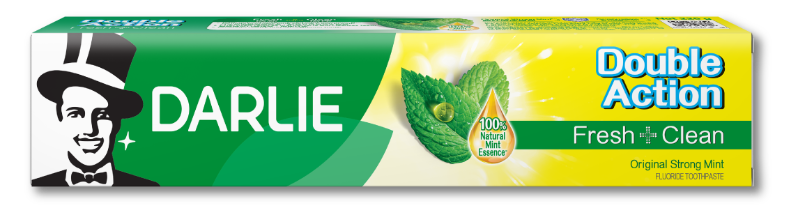


Building a simple habit — brush, rinse, then apply wax where needed — can help you get through the day with braces feeling more comfortable.

Common Mistakes to Avoid with Braces Wax
To get the most out of your dental wax, avoid these common mistakes:

When to Call Your Orthodontist
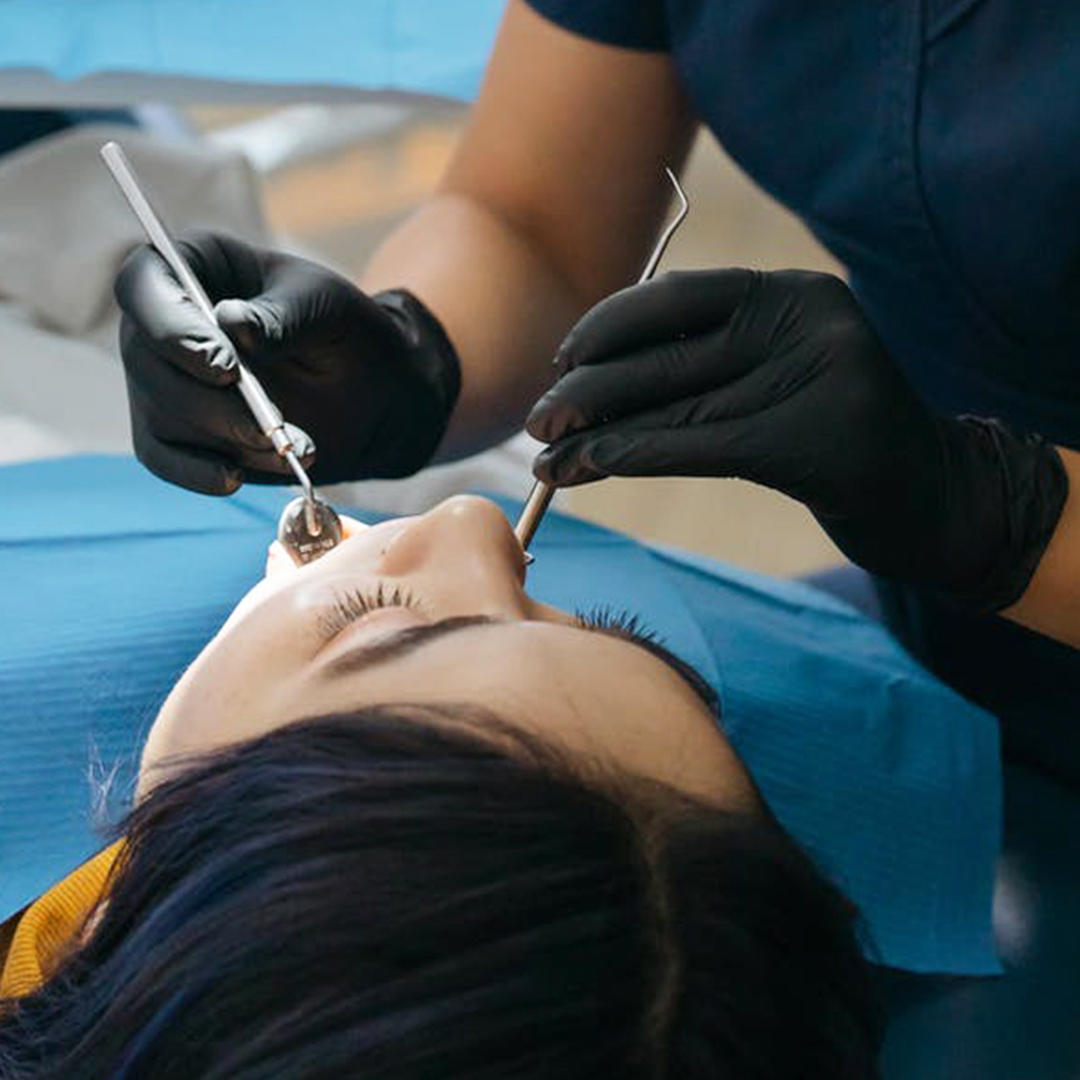
While wax can help with minor discomfort, some issues need professional attention. Contact your orthodontist if:
Conclusion
Braces wax is a simple tool that can make a big difference to your comfort during orthodontic treatment. Pairing it with a consistent daily routine — brushing with Darlie Double Action Toothpaste and a Darlie Soft Clean Toothbrush, and rinsing with The NEW Darlie Antibacterial Halal Mouthwash — can help make daily life with braces feel easier while you work toward a straighter smile.
1. Braces | NHS - https://www.nhs.uk/tests-and-treatments/braces/
2. Braces: Types & How They Work - Cleveland Clinic - https://my.clevelandclinic.org/health/treatments/24601-teeth-braces
3. Do Braces Hurt? Managing Orthodontic Discomfort | American Association of Orthodontists - https://aaoinfo.org/whats-trending/do-braces-hurt-your-comprehensive-guide-to-managing-orthodontic-pain/
4. Handling Orthodontic Issues at Home - American Association of Orthodontists (PDF) - https://aaoinfo.org/wp-content/uploads/2020/03/AAO_HandlingOrthoIssuesAtHome_2020.pdf
5. Instructions for wearing your fixed orthodontic brace - https://www.royaldevon.nhs.uk/media/d2ffbeht/instruction-for-wearing-your-fixed-orthodontic-brace-rd-18-177-003.pdf
^Peppermint and spearmint oils in flavor are 100% original from natural plants.
#Based on the anti-bacterial efficacy test result of Darlie Double Action series toothpastes showed more than 99.9% reduction of oral bacteria.
* Bristle tip is less than 0.01mm.
^^Scientific test proven to effectively reduce 99.9% oral bacteria growth.
Frequently Asked Questions
A: There is usually no major difference. Braces wax, dental wax, and orthodontic wax are commonly used to describe the same soft wax placed over braces to reduce discomfort.
A: You should replace it whenever it becomes loose, dirty, or uncomfortable. It is also a good idea to change it after eating and brushing your teeth. 5
A: You can, but many people prefer to remove it before meals. If it comes off while eating, just clean the area and apply a fresh piece afterward.
A: Orthodontic wax is meant for temporary use in the mouth, and accidentally swallowing a small amount is generally not considered a major concern. Still, it should not be eaten on purpose.
A: If wax is not giving enough relief, check whether a wire is sticking out or a bracket feels loose. If the discomfort continues, contact your orthodontist for advice or an adjustment.
A: Not necessarily, but products designed for detailed cleaning can help. Darlie Double Action Toothpaste and Darlie Soft Clean Toothbrush are made for thorough daily cleaning, which can make it easier to keep the area around your brackets clean throughout treatment.
Recommended Products

