Filtered by Oral Health Goal
If you wear braces, you have probably been introduced to the small elastics that help move your teeth. In short, rubber bands for braces are small elastics that connect the upper and lower teeth to help correct your bite according to your orthodontist’s treatment plan. 1 They may be small, but wearing them consistently can make a big difference to your progress. So to make sure your rubber band braces work as planned, follow your orthodontist’s instructions closely every day.
What Rubber Bands for Braces Actually Do
Braces rubber bands, also known as elastic band braces, are designed to apply gentle, continuous pressure between the upper and lower teeth. 1 This pressure helps improve bite alignment and jaw position so your teeth meet better when you close your mouth. 2 These elastics also help with movements that brackets and wires alone cannot fully achieve. It is worth knowing that orthodontic elastics are different from the small ligatures that hold the archwire onto each bracket. 3 Consistent oral hygiene is also important throughout braces treatment, so the areas around your brackets stay clean and comfortable.
Rubber Bands vs. Other Parts of Your Braces
Orthodontic Elastics, Ligatures and Power Chains
Understanding the different parts of your braces can help you follow treatment with more confidence. Here are the basic differences between the elastic components commonly used:

Quick Comparison Table
This table makes it easier to see the differences between the common types of braces band.
| Name | Location | Main function | Removable or fixed |
| Orthodontic Elastics | Between upper and lower bracket hooks | Helps adjust the bite and jaw position | Removable by you |
| Ligatures | Around individual brackets | Holds the archwire onto the bracket | Fixed, changed by your orthodontist |
| Power Chains | Across several brackets | Helps close gaps between teeth | Fixed, changed by your orthodontist |

How Rubber Bands Move Teeth and Jaws
Elastic band braces work through pressure that is gentle but consistent. 5 This elastic force helps shift your teeth and jaw little by little toward better alignment. That is why steady, regular wear matters far more than stretching the elastics tighter or changing the pattern yourself. Over time, elastics lose their stretch, which reduces the pressure they apply. This is why your orthodontist will usually ask you to swap in fresh elastics regularly so the pressure stays consistent.
How to Wear Braces Rubber Bands Correctly
Step by Step
Putting on braces rubber bands may feel a little awkward at first, but most people get used to it quickly.

Helpful Tips

Common Mistakes to Avoid

How Long to Wear Them and When to Change Rubber Bands
Your orthodontist will give you a specific schedule, but many patients are asked to wear braces rubber bands all day or for a set number of hours. 1 Consistency usually matters more than occasionally trying to make up for lost time. Because rubber bands lose their elasticity, you will often need to change them a few times a day, typically after meals.
If an elastic snaps, comes off or feels loose:

Common Elastic Patterns Your Orthodontist May Prescribe
Typical Configurations
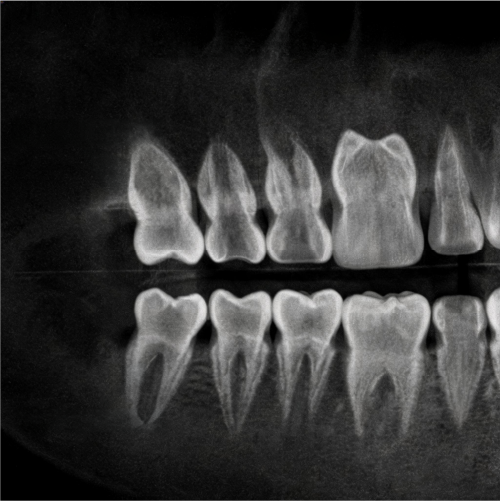
Your orthodontist will choose an elastic band braces pattern based on your bite needs. 6 Common configurations explained to patients include:
An Important Reminder
Remember that every rubber band braces pattern is specific to the individual. The examples above are for general understanding only. You need to follow your own orthodontist’s diagram or instructions, rather than copying a pattern you have seen online or on someone else.

Daily Life with Elastic Band Braces
Eating and Drinking
Your orthodontist will tell you whether you need to remove your braces rubber bands before eating. In many cases, the answer is yes. After eating and cleaning your teeth, put fresh elastics back on straight away. 1 While the elastics are in, plain water is usually the safest drink choice.
Brushing and Cleaning Your Mouth
Oral hygiene becomes even more important while you wear braces. After meals, take your elastics out so you can brush and floss thoroughly. A clean mouth helps reduce plaque buildup around the brackets and makes wearing elastics more comfortable day to day.
Darlie Double Action Toothpaste, infused with 100% natural mint essence^ and formulated to kill 99.9% of oral bacteria#, paired with Darlie Slim Clean Toothbrush and its 0.01mm* slim-tip soft bristles and spiral bristle design, can help you clean thoroughly around brackets and hooks. On days when a full brush is not possible, rinsing with The NEW Darlie Antibacterial Halal Mouthwash before putting your elastics back on can help freshen your mouth in the meantime.
Care on the Go
Daily life gets busy, so it helps to stay prepared. Keep a small kit with spare braces rubber bands, a travel toothbrush, toothpaste and floss so you can keep your routine going at school, at work or while you are out. 1

When Rubber Bands Feel Uncomfortable or Get in the Way
It is normal to feel a bit of sensitivity or discomfort when you first start wearing elastic band braces, or when your wear pattern changes. This usually means the elastics are applying the pressure needed to move your teeth. A few simple steps can help: choose softer foods for a few days, keep up your oral hygiene, and rinse with warm salt water if your orthodontist suggests it. 1
If the discomfort makes your speech feel a little different, this is usually temporary and improves as your mouth adjusts. 4
Mistakes to Avoid with Braces Rubber Bands
To keep your treatment on track, avoid the following:

When to Contact Your Orthodontist
Mild discomfort is normal, but some situations do need a call to your orthodontist.
Conclusion
Rubber bands for braces may be small, but they play a big role in correcting your bite. By wearing them as instructed, changing them regularly and staying consistent every day, you can help your braces treatment run more smoothly. If you are ever unsure about your wear pattern or have an ongoing problem, the safest step is to get advice directly from your orthodontist. Keeping up a daily routine with Darlie Double Action Toothpaste, Darlie Slim Clean Toothbrush and The NEW Darlie Antibacterial Halal Mouthwash makes it easier to stay comfortable and consistent along the way.
1. Orthodontic Elastics: Are They For You? - https://aaoinfo.org/treatments/orthodontic-elastics/
2. Teeth Alignment 101: Are Your Teeth Supposed to Touch? - https://aaoinfo.org/whats-trending/are-your-teeth-supposed-to-touch/
3. Orthodontic Treatment Methods - https://aaoinfo.org/treatments/
4. Orthodontic Glossary: Braces & Dental Terms Defined - https://aaoinfo.org/resources/glossary-of-orthodontic-terms/
5. Force decay evaluation of latex and non-latex orthodontic intraoral elastics: in vivo study - https://pmc.ncbi.nlm.nih.gov/articles/PMC6340202/
6. Orthodontic biomechanics with intermaxillary elastics - https://pmc.ncbi.nlm.nih.gov/articles/PMC10365070/
^Peppermint and spearmint oils in flavor are 100% original from natural plants.
#Based on the anti-bacterial efficacy test result of Darlie Double Action series toothpastes showed more than 99.9% reduction of oral bacteria.
* Bristle tip is less than 0.01mm.
Frequently Asked Questions
A: Wear time depends entirely on your orthodontist’s treatment plan. Many patients are asked to wear them all day and only remove them for eating and brushing.
A: Yes, in many cases you should remove the elastics before eating and during your oral care routine. The important part is putting fresh ones back on as soon as you are done.
A: Mild sensitivity is normal when elastics start applying pressure to your teeth and jaw. It usually settles within a few days as your mouth adjusts.
A: Missing a day can slow your progress, because consistency matters so much. Do not double up to make up for lost time — simply resume your routine as instructed.
Recommended Products