Filtered by Oral Health Goal
Getting your braces off is a huge milestone, but the journey to a lasting smile isn’t quite over. The next crucial step is wearing your retainer. This simple appliance helps maintain the results of your treatment with braces 1. It’s completely normal for this new phase to feel a little unfamiliar at first, but you’ll get the hang of it quickly.
This guide walks you through what a retainer does, how to wear and clean it, and what habits can help keep your teeth stable over time. Think of your retainer as an important part of keeping your smile aligned for the long term.
Why You Need a Retainer Right After Braces Come Off
What a retainer does in simple, easy-to-understand terms
Think of a retainer as a gentle guide for your teeth. After braces are removed, your teeth are in their new positions, but the bone and gums around them are still adjusting 1. A retainer helps hold your teeth steady while everything settles into place. It acts as a gentle reminder for your teeth to stay put, helping maintain the results of your braces treatment.

Why teeth can start shifting soon after braces
Your teeth and gums need time to adjust after the pressure from braces is gone. Without a retainer, natural forces can cause your teeth to slowly drift back toward their old spots 2. Everyday habits like chewing, swallowing, and speaking can create enough pressure to nudge your teeth out of place if there’s no retainer to guide them.

Common myths to clear up right away
Let’s clear up a few common misunderstandings about the post-braces retainer phase:

What to Do Immediately After Your Braces Are Removed
Follow your orthodontist’s wear schedule closely
This is the most important rule of the post-braces stage. Your orthodontist will give you a specific schedule for your retainer, and it’s important to follow it closely, especially in the first few weeks and months. This plan is tailored to you, so what works for someone else may not be right for your teeth.

Get comfortable putting the retainer in and taking it out safely
Learning how to handle your retainer properly can help it last longer.
Start a gentle cleaning routine from day one
A clean retainer is easier to wear every day. Clean it regularly to reduce plaque, bacteria, and odours from building up 4. A quick rinse and a gentle brush are often enough to keep it fresh.

Store it properly every time you remove it
Your retainer case is the safest place for it.

How Long You Need to Wear a Retainer After Braces
The full-time phase: what it usually looks like
Right after your braces come off, your orthodontist may ask you to wear your retainer full-time, only removing it to eat, drink, brush, and floss 3. This early phase is important because it gives your teeth support while the surrounding tissues continue adjusting.
When you may switch to nighttime wear
After a few months of full-time wear, once your orthodontist confirms that your teeth are stable, you may be able to switch to wearing your retainer only at night. The timing depends on your individual treatment and how your teeth respond after braces 3.
Why long-term wear often matters
Teeth have a natural tendency to move over time, whether you’ve had braces or not 3. Because of this, many orthodontists recommend long-term retainer wear, often at night, to help maintain alignment.
What affects how long you may personally need to wear it
Several factors can affect your retainer plan:
Your dental professional’s advice is the best guide because it is based on your personal needs.

Types of Retainers: What the Differences Mean for You
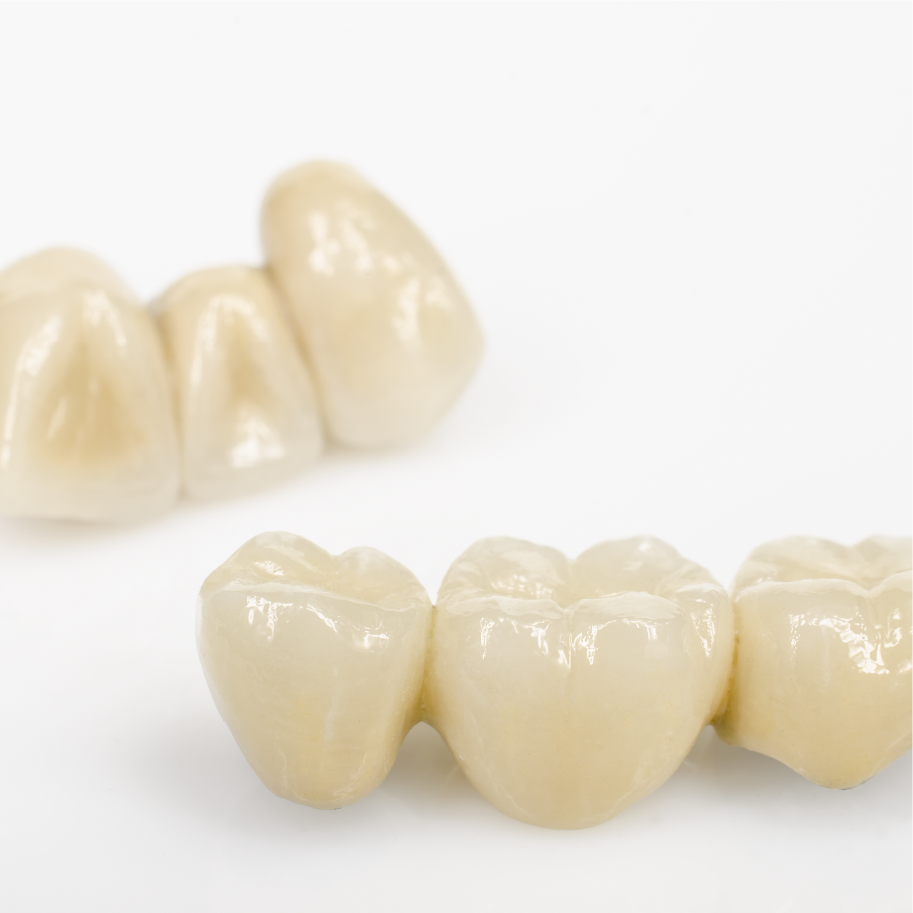
There are a few different types of retainers, and your orthodontist will recommend the most suitable one for your situation.
Clear removable retainers
Often called Essix retainers, these are made of clear plastic that fits snugly over your teeth.
Hawley-style retainers
This is a more traditional type of retainer, made with a wire across the front teeth and an acrylic base that sits on the roof of the mouth or along the inside of the lower teeth 5.
Fixed or bonded retainers
This type uses a thin wire bonded to the back of your front teeth.
Quick comparison table: comfort, care, and everyday use
| Feature | Clear Retainer | Hawley Retainer | Fixed Retainer |
| Appearance | Nearly invisible | Visible wire | Hidden behind teeth |
| Comfort | Generally smooth | Can take getting used to | Usually unnoticed |
| Ease of Cleaning | Easy to remove and clean | Easy to remove and clean | Requires special flossing |
| Best for | Maintaining alignment discreetly | Durability and adjustability | Constant, long-term stability |
| Main Watch-Outs | Can warp with heat; can stain | Can be lost; may affect speech initially | Can make flossing tricky |
How to Clean and Care for a Retainer Safely

Daily cleaning steps for removable retainers
A simple daily routine is the best way to care for your removable retainer.
What not to use: toothpaste, hot water, and harsh cleaners
Some cleaning methods can damage your retainer 6.
How to keep a retainer fresh and odour-free
A consistent routine helps keep your retainer fresh.
When to replace it or have it checked for wear
Over time, your retainer may show signs of wear. Look for cracks, rough edges, or a loose fit. If it no longer feels secure or looks damaged, contact your orthodontist so they can check whether it needs an adjustment or replacement.
Oral Hygiene After Braces: Protecting Teeth and Gums
With braces gone, it becomes easier to clean all tooth surfaces properly. A consistent oral hygiene routine helps support your teeth and gums after treatment 7.
Brushing tips for teeth that were just in braces
Your teeth may feel a little sensitive after braces are removed, so gentle brushing helps.
Pick daily products that make the routine easier
Brush at least twice a day with Darlie Double Action Toothpaste, infused with 100% natural mint essence^ and formulated to kill 99.9% of oral bacteria# while helping strengthen enamel. Pair it with Darlie Soft Clean Toothbrush, which combines 0.01mm* slim-tip soft bristles with end-rounded bristles for a gentle, thorough clean around the gumline and any fixed retainer wire. On days you cannot brush right after a meal, rinsing with The NEW Darlie Antibacterial Halal Mouthwash can help freshen up and reduce bacteria## in the meantime.
Flossing around teeth and any fixed retainer
Flossing every day helps remove plaque from between the teeth.
How interdental brushes and water flossers can help
Extra tools can be useful for harder-to-reach areas.
Preventing white spots and plaque buildup
The best way to reduce plaque buildup is to keep a steady brushing and flossing routine. Regular check-ins with your dental professional can also help you spot any issues early and keep your smile in good condition.

Foods, Drinks, and Habits That Can Affect Your Retainer
What to do before eating or drinking
Unless your orthodontist tells you otherwise, remove your removable retainer before eating or drinking anything other than water. Food can get trapped, and sugary or acidic drinks can stay against your teeth longer than they should. After eating, rinse your mouth and your retainer before putting it back in.
Foods that can damage a fixed retainer
If you have a fixed retainer, certain foods can put stress on the wire 3.
Habits that can warp, crack, or lead to losing a retainer
Your retainer is durable, but a few habits can still damage it 2.

Common Retainer Problems and What to Do Next
If the retainer feels tight
A little tightness can be normal, especially if you missed wearing it for a short time 8. It may mean your teeth have shifted slightly and the retainer is guiding them back. If the tightness feels severe or does not improve, contact your orthodontist.
If it will not fit or feels suddenly different
Do not force a retainer into place if it does not fit. A sudden fit change may mean your teeth have moved or the retainer has warped. If it feels uncomfortable or will not go in properly, contact your orthodontist for advice.
If it breaks, bends, or gets lost
Accidents happen. If your retainer is damaged or lost, act quickly. Stop using a damaged retainer if it no longer fits properly, and contact your orthodontist’s office as soon as possible so they can help with a repair or replacement 3.
When to contact your orthodontist
Your orthodontist plays an important role in helping you maintain your smile. Contact them if you notice:
Getting it checked early is one of the best ways to protect the results of your braces treatment.
Conclusion
You’ve already put in a lot of time and effort with braces, and wearing your retainer is the next step in protecting that result. The key habits are simple: wear it as directed, clean it gently every day, and keep it stored safely in its case. Brushing with Darlie Double Action Toothpaste and a Darlie Soft Clean Toothbrush, and rinsing with The NEW Darlie Antibacterial Halal Mouthwash, can help you keep up that routine. With consistent retainer use and good oral hygiene, you can help keep your smile healthy and aligned over time.
1. Are Retainers Necessary After Orthodontics? | American Association of Orthodontists - https://aaoinfo.org/whats-trending/will-i-need-to-wear-retainers/
2. What Are Dental Retainers? | American Association of Orthodontists - https://aaoinfo.org/whats-trending/what-are-dental-retainers/
3. Braces and orthodontics | NHS - https://www.nhs.uk/tests-and-treatments/braces-and-orthodontics/
4. How to Clean Your Retainer at Home | American Association of Orthodontists - https://aaoinfo.org/whats-trending/how-to-clean-your-retainer/
5. Dental: Wearing a Retainer | Nationwide Children's Hospital - https://www.nationwidechildrens.org/family-resources-education/health-wellness-and-safety-resources/helping-hands/orthodontics-wearing-a-retainer
6. Orthodontic Retainers: Types, Care, & Life After Braces | American Association of Orthodontists - https://aaoinfo.org/treatments/retainers/
7. Toothbrushes | American Dental Association - https://www.ada.org/resources/ada-library/oral-health-topics/toothbrushes
8. Tight Retainer Troubles: What to Do Next | American Association of Orthodontists - https://aaoinfo.org/whats-trending/my-retainer-feels-tight-can-i-still-wear-it/
^Peppermint and spearmint oils in flavor are 100% original from natural plants.
#Based on the anti-bacterial efficacy test result of Darlie Double Action series toothpastes showed more than 99.9% reduction of oral bacteria.
*Bristle tip is less than 0.01mm.
##Scientific test proven to effectively reduce 99.9% oral bacteria growth.
Frequently Asked Questions
A: The wear time can vary from person to person. Many people start with full-time wear for several months before moving to nighttime wear, but your orthodontist will give you the right schedule for your needs.
A: Yes, mild tightness can be normal, especially if you have not worn it for a short while. It often means the retainer is helping guide your teeth back into position.
A: It’s usually better to avoid abrasive toothpaste because it can scratch the surface of the retainer. A soft toothbrush with cool water or a suitable retainer cleaner is generally a safer option. Save your toothpaste, such as Darlie Double Action Toothpaste, for brushing your teeth rather than the retainer itself.
A: Do not force it into place. If it suddenly does not fit, contact your orthodontist, because your teeth may have shifted or the retainer may have become damaged.
Recommended Products