Filtered by Oral Health Goal
Have you ever noticed a soft, sticky layer on your teeth or along your gumline? That is most likely plaque, and it is something almost everyone deals with. Understanding what is plaque is the first step to keeping it under control and looking after your oral health long term. This guide explains how plaque on teeth forms, simple ways to remove plaque from teeth at home, and the daily habits that help slow it from coming back.
What Is Plaque on Teeth?
In simple terms, plaque is a soft, sticky layer made up of bacteria that constantly forms on tooth surfaces and along the gumline. If you have noticed a film on your teeth, you are far from alone — it is very common and it can be managed with consistent care. Some people call it teeth plaque, tooth plaque or plaque on teeth, but they all refer to the same thing. 1

Plaque, in simple terms
Plaque forms when bacteria in your mouth mix with saliva and the sugary or starchy foods and drinks you consume. That mixture creates a thin, sticky film that coats the teeth. In the early stages this layer is so thin it is easy to miss. 1
How plaque looks and feels
When there is plaque on teeth, they may feel slightly rough, fuzzy or coated when you run your tongue over them. Plaque is usually colourless or pale yellow, so it can be hard to spot at first. That is exactly why a consistent cleaning routine matters more than waiting until you see obvious signs. 2
Why plaque matters
If plaque is not cleaned away regularly, it can build up on tooth surfaces and along the gumline. Regular brushing and interdental cleaning help keep your mouth feeling fresh and clean. 2
How Plaque Forms on Your Teeth
Plaque can start forming again just a few hours after you brush, which is why a daily oral care routine matters so much. Certain everyday habits can also let tooth plaque build up faster. Understanding the causes is the first step to controlling plaque before it builds up.
The everyday causes behind plaque buildup
The process is simple: bacteria in your mouth use the sugars from the food and drinks you consume. That interaction produces acid and a sticky layer — plaque. Because this process is continuous, plaque can start forming again soon after you clean your teeth. 1

Habits that speed up plaque buildup
A few habits can speed up teeth plaque buildup:

How to Remove Plaque from Teeth at Home
When it comes to how to get rid of plaque, the most important thing is consistency. The most effective way to remove plaque from teeth is a simple daily routine you actually keep up. These steps support long-term plaque removal and help your mouth feel cleaner.
Brush twice a day for two minutes
A thorough brushing routine is the foundation of good oral care. A soft-bristled toothbrush cleans your teeth more gently, while fluoride toothpaste helps strengthen enamel. Brush in small circles along the gumline, since a consistent technique usually helps more than brushing harder. 6
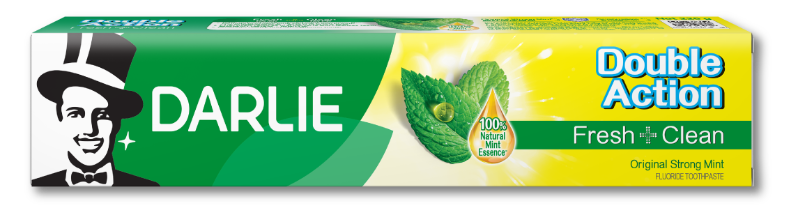
Darlie Double Action Toothpaste is infused with 100% natural mint essence^ and formulated to kill 99.9% of oral bacteria#. Pairing it with Darlie Charcoal Clean Toothbrush (Regular), which uses nano charcoal particles and 0.01mm* tapered bristles, can help keep plaque from building up around your gumline.
For continued freshness, Darlie Double Action Fresh Protect Toothpaste features a zinc citrate formula for up to 12 hours of bacterial defence**.

Clean between teeth once a day
A toothbrush cannot reach every space, and the gaps between teeth are a common spot for plaque on teeth to gather. Cleaning between your teeth once a day with floss or an interdental cleaner can make a noticeable difference. This daily step is key to a more thorough clean and helps reduce plaque in hard-to-reach areas.

Use mouthwash as support, not a replacement
Rinsing with mouthwash can be a helpful extra step that freshens your mouth after brushing and cleaning between your teeth. Use it as support within your daily routine, not as a substitute for brushing and flossing. Think of it as an easy finishing touch to your oral care routine. 6 The NEW Darlie Antibacterial Halal Mouthwash, for example, is formulated to reduce oral bacteria and deliver hours of freshness, making it a convenient add-on rather than a replacement for brushing.

Plaque vs. Tartar: What’s the Difference?
Understanding the difference between plaque and tartar helps explain why early, consistent plaque removal matters so much. It is also useful for anyone looking into how to remove plaque on teeth more effectively.
Plaque is soft; tartar is hardened
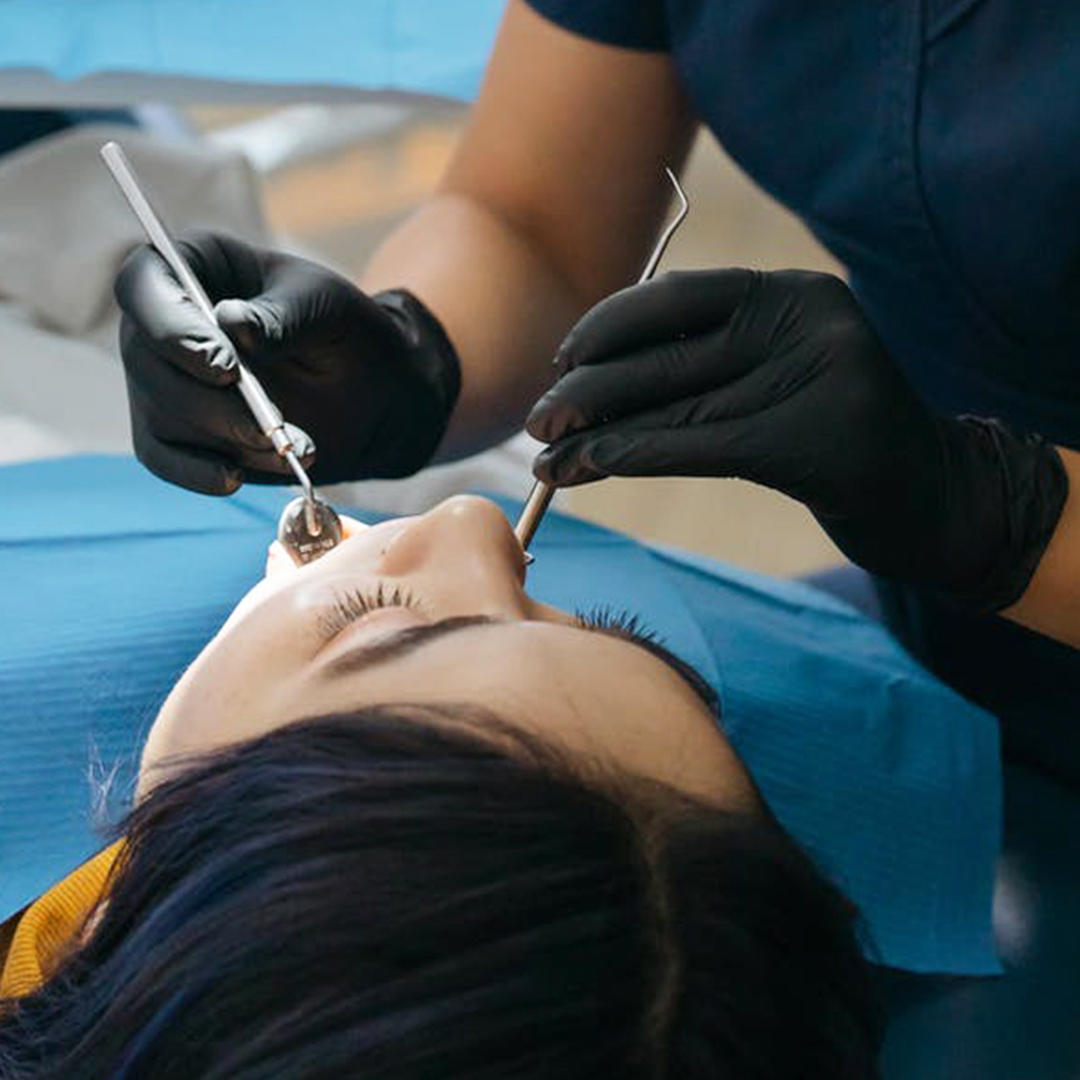
Plaque is a soft, sticky layer that can usually be cleaned away at home with consistent brushing and flossing. Tartar, also known as calculus, forms when plaque is left on the teeth too long and hardens. 4
Why tartar needs a dental professional
Once plaque hardens into tartar, a regular toothbrush can no longer remove it. Tartar needs special instruments and a professional clean from a dentist or dental hygienist. By staying on top of plaque on teeth every day, you help reduce the chance of tartar forming. 4
Everyday Habits to Help Prevent Plaque Buildup
Managing plaque on teeth gets easier when you pair a cleaning routine with a few simple daily choices. Think of prevention as a practical approach to tooth plaque removal. Here are some habits that are easy to keep up.
Smart eating and drinking choices
What you eat and drink plays a big part in how plaque forms.

Build a daily oral care routine you can stick to
Consistency is the key. A simple, realistic routine usually works better than a complicated one you struggle to maintain.

When to See a Dentist
Home care is essential for managing plaque on teeth, but regular dental check-ups matter just as much. A dentist can spot buildup you may have missed before it becomes a bigger problem.
If you have persistent bad breath or plaque that keeps returning despite your best efforts, consider seeking advice from a dental professional. They can offer personalised guidance on your daily oral-care routine. 2
Conclusion
Keeping your smile healthy does not have to be complicated. Brushing daily, cleaning between your teeth, using mouthwash as a supporting step, making smarter food choices and attending regular dental check-ups are the main ways to keep plaque on teeth under control. Once you understand what is plaque and how it forms, it is far easier to act early and remove plaque from teeth before it becomes harder to manage. A daily routine with Darlie Double Action Toothpaste or Darlie Double Action Fresh Protect Toothpaste, a Darlie Charcoal Clean Toothbrush (Regular), and The NEW Darlie Antibacterial Halal Mouthwash can help you stay consistent.
1. Cavities/tooth decay - Symptoms and causes - https://www.mayoclinic.org/diseases-conditions/cavities/symptoms-causes/syc-20352892
2. Plaque - https://www.mouthhealthy.org/all-topics-a-z/plaque
3. Dry Mouth - https://www.nidcr.nih.gov/health-info/dry-mouth
4. Tartar (Dental Calculus) - https://my.clevelandclinic.org/health/diseases/25102-tartar
5. Smoking - https://www.mouthhealthy.org/all-topics-a-z/smoking
6. Fluoride in Water - https://www.mouthhealthy.org/all-topics-a-z/fluoridation
^Peppermint and spearmint oils in flavor are 100% original from natural plants.
#Based on the anti-bacterial efficacy test result of Darlie Double Action series toothpastes showed more than 99.9% reduction of oral bacteria.
**Clinically proven, with 7 days continued use, compared with regular Darlie fluoride toothpaste.
*Bristle tip is less than 0.01mm.
Frequently Asked Questions
A: Brush twice a day with a soft-bristled toothbrush and fluoride toothpaste. Clean between your teeth once a day with floss or an interdental cleaner, and use mouthwash as a supporting step.
A: The safest and most effective way is staying consistent with brushing, cleaning between your teeth and keeping up your daily routine. Once plaque has hardened into tartar, only a dentist can remove it.
A: No. Plaque needs to be cleaned away through a daily oral care routine. Left alone, it can harden into tartar.
A: Plaque is a soft, sticky layer that can usually be cleaned away at home. Tartar is plaque that has hardened and needs a professional clean.
Recommended Products