Filtered by Oral Health Goal
Imagine standing in front of a mirror, hesitating at the sight of your smile. Missing teeth can serve as a daily reminder of discomfort and self-doubt, and the idea of dentures might seem intimidating due to the myths surrounding them. Often, the term “dentures” evokes images of ill-fitting, uncomfortable appliances reserved solely for the elderly. However, modern dentures offer a safe, effective, and natural-looking solution to restore both oral functionality and confidence1. At Darlie, our commitment to promoting oral health means providing accurate, up-to-date information to help you make well-informed decisions about dental denture options.
In this article, we’ll clear up the confusion surrounding dentures, addressing everything from common myths to proper care. We’ll also explore how integrating a robust oral hygiene routine—like using Darlie’s Fresh Breath Toothpaste and Toothbrushes—can enhance your overall oral care, whether you’re sporting dentures or maintaining your natural smile.
What Are Dentures? (The Basics)
Dentures are artificial replacements specifically designed to mimic missing teeth and the surrounding tissues. They’re a practical solution for those experiencing significant tooth loss, crafted to restore both aesthetics and oral function. There are several types of dentures, each tailored to different needs:
Materials such as acrylic resin, porcelain, or metal frameworks are chosen to ensure durability and an aesthetic that closely resembles natural teeth2. Beyond simply looking natural, dentures play a crucial role: they support facial muscles, boost self-esteem, and facilitate easier eating and speaking.

Common Myths About Dentures Debunked
Over time, several misconceptions about dentures have taken hold. Let’s set the record straight.

Myth 1: Dentures Are Only for the Elderly
Many believe that dentures are exclusively for older adults. In truth, significant tooth loss can affect anyone—whether due to injury, decay, or genetic factors. Age is not a barrier when it comes to benefiting from dentures.
Myth 2: Dentures Are Uncomfortable
A common concern is that dentures will always cause discomfort. While there might be an initial adjustment period, modern advancements in denture technology have dramatically improved their fit and comfort3. With a proper fitting process and denture adhesives when needed, any initial discomfort typically fades quickly.
Myth 3: Dentures Look Fake and Unnatural
Gone are the days of the exaggerated “Hollywood” dentures. Today’s dentures are meticulously crafted to mimic the natural appearance of your teeth. When made and fitted by an experienced dentist, dentures blend seamlessly with your natural smile, offering confidence and authenticity4.
Myth 4: Dentures Require No Maintenance
Contrary to the belief that dentures are “set and forget,” they need regular cleaning and careful handling. Daily maintenance, proper storage, and regular dental checkups are essential to keep them in optimal condition and to ensure your oral health is not compromised.
Myth 5: Dentures Last Forever
Like many dental appliances, dentures have a lifespan. Changes in your mouth over time—due to wear and bone resorption—may necessitate adjustments, relining, or even replacement. Regular consultations with your dentist can extend the life of your dentures and ensure they continue to perform well5.
Taking Care of Your Dentures
Maintaining your dentures is pivotal not only for their longevity but also for your overall oral health. Here are some best practices to follow:
Daily Cleaning Routine

Proper Storage

Enhancing Oral Hygiene with Darlie Products
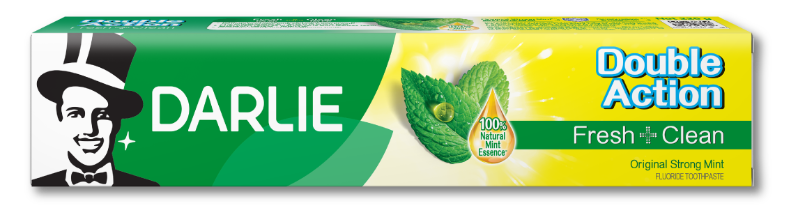
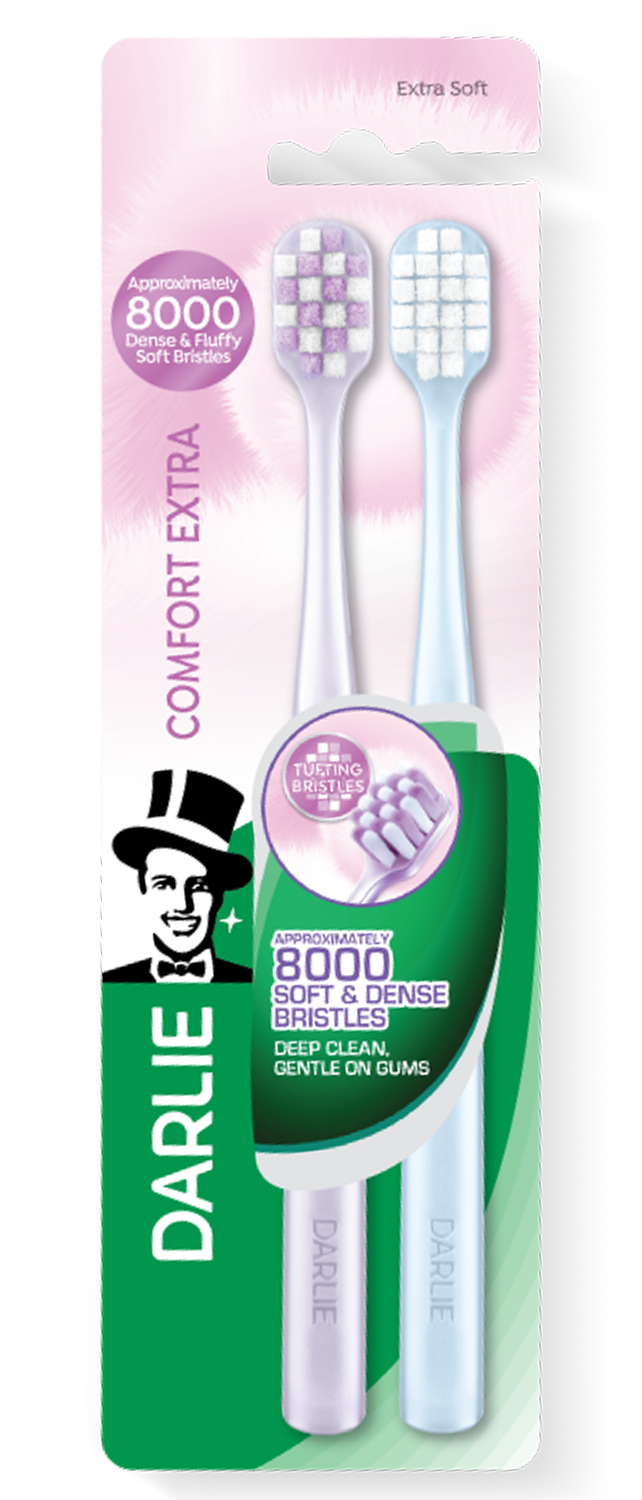
Whether you wear dentures or care for your natural teeth, maintaining excellent oral hygiene is essential. Consider incorporating Darlie’s Fresh Breath Toothpaste and Toothbrushes into your daily routine. The Fresh Breath Toothpaste is expertly formulated to combat bad breath, ensuring long-lasting freshness and bolstering your confidence during every interaction. Complement this with Darlie Toothbrushes, available in various sizes and bristle types to suit your cleaning needs. This duo not only maintains exceptional breath freshness but also helps keep both your dentures and natural teeth clean and healthy.

Denture Adhesives
For many, denture adhesives provide an extra layer of comfort and stability6. They are particularly useful during the initial adjustment period. However, they should always be used as a supplement to well-fitted dentures rather than a replacement for proper dental appliance care.
Living Comfortably with Dentures
Adjusting to dentures is a process that involves both physical and lifestyle changes. With time and the right techniques, most individuals adapt comfortably.
Eating with Dentures
Speaking with Dentures
Managing Dry Mouth
Handling Sensitive Spots

Conclusion
The journey toward a confident smile can be filled with questions and uncertainties, especially when it comes to dentures. As we’ve seen, many of the myths surrounding dentures are simply unfounded. Modern dentures are designed to be comfortable, natural-looking, and functional, regardless of your age or lifestyle7. With the right care—daily cleaning, proper storage, and regular dental checkups—you can ensure that your dentures continue to serve you well.
Don’t forget that excellent oral hygiene is paramount whether you’re wearing dentures or not. Integrating products like Darlie’s Fresh Breath Toothpaste and Toothbrushes into your routine can make a significant difference. These products are crafted to leave you with long-lasting freshness and a consistently vibrant smile, supporting you every day on your journey to better oral health.
Ready to take the next step toward a more confident smile? Consult with your dentist about your denture options, and consider enhancing your oral care routine with Darlie products for that extra boost of confidence and freshness in every conversation. Embrace the truth about dentures and the possibility of a smile that truly reflects who you are.
1. https://nvdentists.com/modern-dentures-have-come-long-way/
2. https://www.saratoga-dental.com/blog/how-dental-implants-materials-affect-its-lifespan/
3. https://tremainedentalca.wordpress.com/2026/01/15/new-advances-in-dentures-milton-patients-are-choosing-in-2026/
4. https://www.casasadobesdentistry.com/modern-dentures-latest-advances-in-tooth-replacement
5. https://dentonsmilesdentistry.com/why-you-should-attend-check-ups-even-with-a-full-denture/
6. https://www.cureus.com/articles/281019-a-comparative-evaluation-of-the-effects-of-herbal-denture-adhesives-on-patient-comfort-and-satisfaction-study-protocol-of-a-randomized-controlled-trial
7. https://cornerstonesmiles.com/the-new-era-of-dentures-how-customization-is-revolutionizing-comfort-and-function/
2. https://www.saratoga-dental.com/blog/how-dental-implants-materials-affect-its-lifespan/
3. https://tremainedentalca.wordpress.com/2026/01/15/new-advances-in-dentures-milton-patients-are-choosing-in-2026/
4. https://www.casasadobesdentistry.com/modern-dentures-latest-advances-in-tooth-replacement
5. https://dentonsmilesdentistry.com/why-you-should-attend-check-ups-even-with-a-full-denture/
6. https://www.cureus.com/articles/281019-a-comparative-evaluation-of-the-effects-of-herbal-denture-adhesives-on-patient-comfort-and-satisfaction-study-protocol-of-a-randomized-controlled-trial
7. https://cornerstonesmiles.com/the-new-era-of-dentures-how-customization-is-revolutionizing-comfort-and-function/
Recommended Products