Filtered by Oral Health Goal
A Friendly Guide to How Your Mouth Works
Why Your Mouth Does More Than You Think
Every time you bite into a favourite food, say a simple word, or take a sip of a cold drink, your mouth is hard at work. Many people think of the mouth as just the place where teeth sit, but it is really a system that helps you chew, speak, taste and swallow. Understanding the basic mouth structure can help you appreciate the role it plays in everyday life. Let’s look at the main mouth parts, what each one does, and the simple habits that help keep your mouth healthy.

A Quick Overview of the Anatomy of Mouth
Ever wondered what is going on inside your mouth? It is far more than teeth. Each part has its own job, and they all work together so your mouth runs smoothly.
| Part | What it does | Why it matters |
| Teeth | Cut, tear and grind food into small pieces. | Essential for the first stage of digestion and for shaping sounds when you speak. 1 |
| Gums | Soft tissue that surrounds and supports the base of each tooth. | Healthy gums help hold teeth in position and protect the sensitive areas around them. 2 |
| Tongue | A strong muscle that moves food, helps you swallow, and lets you taste and speak. | Key for shifting food around, pushing it to the back of the mouth, and forming many speech sounds. 3 |
| Lips | Help keep food inside the mouth, form a seal when you drink, and support pronunciation. | Lips matter for clear speech and for keeping food and drink from spilling. |
| Cheeks | The muscular sides of the mouth that help keep food between the teeth while you chew. | Work with the tongue to keep food in the right position for chewing. |
| Palate | The roof of the mouth, divided into the hard palate at the front and the soft palate at the back. | The hard palate gives the tongue a surface to press food against, while the soft palate helps close off the passage to the nose when you swallow. 1 |
| Uvula | The small piece of tissue hanging at the back of the throat. | Helps form certain sounds and supports the swallowing process. |
| Jaw | The bony structure that holds the teeth and lets the mouth open and close. | Jaw movement is essential for chewing and speaking properly. 1 |
| Salivary glands | Produce saliva to moisten the mouth and food. | Saliva matters for tasting, swallowing, starting digestion and helping protect the teeth. 4 |
How the Mouth Works Together: Chewing, Tasting, Speaking and Swallowing
Every mouth function relies on several parts working together at once. Teeth, tongue, lips, palate, jaw and saliva all play a role in your daily activities.
Chewing
As you chew, the front teeth bite and cut food while the back teeth grind it into smaller pieces. Jaw movement keeps the process running smoothly, and food that has been broken down well is easier to swallow and digest. 1
Tasting
Sweet, sour, salty, bitter and umami are detected through the taste buds on your tongue. Taste does not depend on the tongue alone, though — your sense of smell also plays a big part in how food tastes. 3
Speaking
Speaking involves the tongue, lips, teeth and palate shaping sounds into clear words. That is why even small changes in tongue or lip position can affect how a sound comes out.
Swallowing
After food is chewed, the tongue gathers it and pushes it to the back of the mouth. At the same time, the soft palate moves to help close off the passage to the nose so food and drink travel in the right direction. 1

Why Saliva Is So Important
Saliva may seem ordinary, but it does a lot of work in the mouth. It moistens food so it is easier to chew and swallow, and it starts breaking down starches before food reaches the stomach. 4
Saliva also helps rinse away food debris and reduce acid in the mouth, which matters for everyday comfort and cleanliness. When saliva production drops, a person may experience dry mouth, which can make eating, speaking and swallowing feel less comfortable. 5
How Mouth Structure Affects Your Daily Health
Understanding the anatomy of the mouth also helps explain why certain problems happen. Plaque, the sticky layer that contains germs, easily builds up along the gumline, between the teeth and on the surface of the tongue. If it is not cleaned away, it can contribute to oral hygiene problems. 6
Teeth are made up of several layers, including enamel, dentin and pulp. When the outer layer wears down or the gums recede, more sensitive areas can be exposed, leading to sensitivity with hot, cold or sweet foods and drinks. 5
Here are some of the effects that can appear when oral care is inconsistent:

Simple Ways to Support a Healthy Mouth
Looking after your mouth does not have to be complicated. A few consistent daily habits are enough to help everything keep working well.
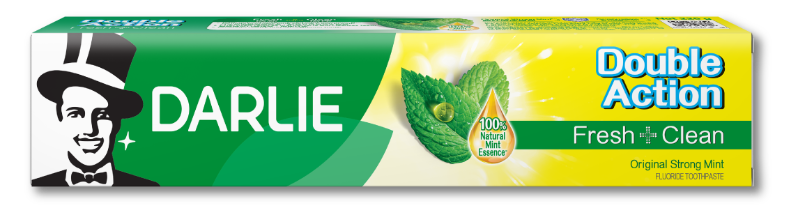
Darlie Double Action Toothpaste, infused with 100% natural mint essence^ and formulated to kill 99.9% of oral bacteria#, pairs well with Darlie Wavy Fresh Toothbrush, which uses indicator bristles to remind you when it is time for a new brush. Rinsing with The NEW Darlie Antibacterial Halal Mouthwash between brushes can give your mouth an extra layer of freshness on busier days.

Conclusion
Your mouth works hard every day to help you eat, speak, taste and swallow. Once you understand how the teeth, gums, tongue, palate, jaw and saliva work together, it is easier to appreciate the role they play in your daily health. A simple, consistent oral care routine is the best way to help your mouth keep doing its job well — for example, brushing with Darlie Double Action Toothpaste and a Darlie Wavy Fresh Toothbrush, and rinsing with The NEW Darlie Antibacterial Halal Mouthwash.
1. Your Digestive System & How it Works - https://www.niddk.nih.gov/health-information/digestive-diseases/digestive-system-how-it-works
2. Periodontal (Gum) Disease - https://www.nidcr.nih.gov/health-info/gum-disease
3. Taste Disorders - https://www.nidcd.nih.gov/health/taste-disorders
4. Saliva (Spit): What To Know - https://my.clevelandclinic.org/health/body/saliva
5. Dry Mouth - https://www.nidcr.nih.gov/health-info/dry-mouth
6. Plaque - https://www.mouthhealthy.org/all-topics-a-z/plaque
^Peppermint and spearmint oils in flavor are 100% original from natural plants.
#Based on the anti-bacterial efficacy test result of Darlie Double Action series toothpastes showed more than 99.9% reduction of oral bacteria.
Frequently Asked Questions
A: The main mouth parts include the teeth, gums, tongue, lips, cheeks, palate, jaw and salivary glands. Together they help you chew, speak, taste and swallow.
A: Saliva moistens food, makes swallowing easier, and starts early digestion. It also helps rinse away food debris and supports comfort in your mouth throughout the day. 4
A: The tongue pushes food to the back of the mouth, while the soft palate helps close off the passage to the nose during swallowing. This teamwork keeps food and drink travelling in the right direction. 1
A: Sensitive teeth usually occur when enamel thins or gums recede, exposing the more sensitive dentin underneath. This can cause sensitivity with hot, cold or sweet foods and drinks. 5
Recommended Products