Filtered by Oral Health Goal
What a dental filling is and why you might need one
When you hear the word “filling”, you probably picture a routine treatment for keeping teeth healthy. In reality, a dental filling does more than restore damaged tooth structure — modern options can also blend in with your natural tooth shade. Tooth colored fillings are becoming a popular choice for people who want effective treatment that is far less noticeable when they smile 1.
Put simply, a filling is used to seal and restore part of a tooth that has been damaged by decay or minor injury. It helps the tooth work comfortably again when you chew and speak.
Understanding tooth decay and what causes it
Tooth decay happens when acids produced by plaque begin to weaken the outer layer of the tooth. Over time, this can create small cavities that need a filling 2.
Decay is not the only reason you might need one, though. A dentist may also recommend a filling for other small issues such as:
These can develop from everyday habits like frequently eating sweet foods, drinking acidic beverages, or putting pressure on the jaw 3.

Common signs you may need a filling
Small cavities do not always show obvious signs, which is exactly why regular dental check-ups matter. That said, the following signs may mean it is worth booking a check:

What are tooth colored fillings?
Tooth colored fillings are dental fillings designed to match the natural shade of your teeth. Compared with silver-coloured metal fillings, they look far more natural and stand out much less 4.
The most common material used is composite resin, which is durable and easy to shape to the surface of the tooth. Once placed, the material is hardened and polished so it looks neat and blends with the surrounding tooth structure.
Materials commonly used for tooth colored fillings
Dentists can use several types of material for tooth colored fillings, depending on your needs 4.
This is the most popular option for a natural-looking result. Because it comes in a range of shades, your dentist can pick a colour that closely matches your own teeth.
This material is sometimes used for smaller fillings or in areas that do not take heavy chewing pressure, such as near the gumline. Glass ionomer can also release a small amount of fluoride, which helps protect the tooth from further damage 5.
Your dentist will assess the size of the damage and the location of the tooth before recommending the most suitable material.

Direct vs. indirect restorations
When you have a filling placed, your dentist will usually choose between a direct restoration and an indirect restoration, depending on how much of the tooth is affected.
This is the most common approach. The filling material is placed and shaped directly on the tooth in a single appointment. It suits small to moderate damage.
If the damage is more extensive, a treatment such as an inlay or onlay may be needed. These are made outside the mouth, usually in a dental laboratory, and fitted at a follow-up visit 6.
Your dentist will help you decide which option best fits the condition of your tooth.

Why tooth colored fillings are becoming the smile-friendly choice
More people are choosing tooth colored fillings because they strike a balance between function and appearance 4. The advantages include:

Tooth colored fillings vs. silver amalgam
Both tooth colored fillings and silver amalgam can restore a tooth, but there are some key differences.
| Feature | Tooth Colored Fillings | Silver Amalgam |
| Appearance | Matches tooth colour for a more natural look | More noticeable because of the silver colour |
| Preserving tooth structure | Can preserve more tooth structure in some cases | May require removing more tooth structure |
| Bonding | Bonds to the tooth surface | Does not bond in the same way |
| Durability | Suitable for many everyday repairs | Also long-lasting |
| Cost and value | Suits those who prioritise appearance | May be more affordable in some situations |
| Best for | People who want a less noticeable filling | Certain cases that call for a traditional option |
Many people choose tooth colored fillings because the result blends more naturally with their smile 7.
Are tooth colored fillings suitable for every tooth?
Tooth colored fillings work well in many situations, but the best choice always depends on the individual tooth. Dentists usually consider a few factors:
If you are unsure, ask your dentist which treatment suits your situation best.

What to expect during the filling process
Getting a filling is a common and generally straightforward dental procedure. In most cases it involves these steps:
Your dentist will examine the tooth and may take an X-ray to see how far the damage goes.
The damaged or decayed part of the tooth is carefully removed so the space is clean and ready for the filling.
The tooth-coloured material is placed in layers and shaped to follow the natural contour of the tooth.
A special light hardens the material, then the surface is polished and adjusted so your bite feels comfortable 4.
If you have ongoing discomfort, gums that look different from usual, or damage that seems to be getting worse, it is best to see your dentist for a closer look.

How to care for a tooth-colored filling
Once a filling is in place, caring for it is much like caring for your natural teeth. Consistent oral hygiene helps a filling last longer 7.

Simple ways to keep your mouth feeling fresh every day
A good daily routine can lower the risk of new cavities and support your overall oral health. Brushing consistently after meals and before bed, using fluoride toothpaste, and cleaning carefully between your teeth all help reduce plaque. You can also rinse with water or mouthwash after eating when brushing is not possible 8.
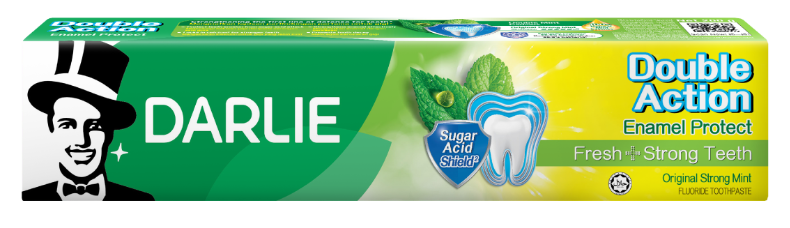
Darlie Double Action Enamel Protect Strong Mint Toothpaste is formulated with 100% natural mint essence^ and an Enamel Protect Formula designed to help strengthen tooth enamel. If your teeth feel more sensitive after treatment, Darlie Gum & Teeth Protect Sensitivity Relief Toothpaste, formulated with a Potassium Nitrate System#, is designed to help relieve sensitivity with daily use. Pairing either with Darlie Soft Clean Toothbrush, which combines slim-tip soft bristles with end-rounded bristles, supports a gentle, thorough clean.

Conclusion
Tooth colored fillings offer a modern, practical way to restore teeth affected by decay or minor damage. They bring back function while giving your smile a more natural appearance. If you notice signs of tooth damage, talk to your dentist about whether this option is right for you. Whatever stage you are at, keeping up a gentle daily routine with a toothpaste such as Darlie Double Action Enamel Protect Strong Mint Toothpaste or Darlie Gum & Teeth Protect Sensitivity Relief Toothpaste, and a Darlie Soft Clean Toothbrush, helps support your teeth over the long run.
1. Materials for Direct Restorations | American Dental Association - https://www.ada.org/resources/ada-library/oral-health-topics/materials-for-direct-restorations
2. The Tooth Decay Process: How to Reverse It and Avoid a Cavity | National Institute of Dental and Craniofacial Research - https://www.nidcr.nih.gov/health-info/tooth-decay/more-info/tooth-decay-process
3. Dental Erosion | American Dental Association - https://www.ada.org/resources/ada-library/oral-health-topics/dental-erosion
4. Fillings (Tooth-Colored) | MouthHealthy / American Dental Association - https://www.mouthhealthy.org/all-topics-a-z/fillings-tooth-colored
5. Fluoride exchange by glass-ionomer dental cements and its clinical effects: a review - PMC - https://pmc.ncbi.nlm.nih.gov/articles/PMC10444020/
6. Treatment Options for Dental Caries | FDA - https://www.fda.gov/medical-devices/dental-amalgam-fillings/treatment-options-dental-caries
7. Dental Fillings Information | National Institute of Dental and Craniofacial Research - https://www.nidcr.nih.gov/health-info/dental-fillings
8. Home Oral Care | American Dental Association - https://www.ada.org/resources/ada-library/oral-health-topics/home-oral-care/
^Peppermint and spearmint oils in flavor are 100% original from natural plants.
#Potassium Nitrate System, an effective anti-sensitivity agent.
Frequently Asked Questions
A: Modern composite materials are durable enough for most everyday chewing needs. In certain situations silver amalgam may last longer, but tooth colored fillings remain a reliable choice for many types of repair.
A: The lifespan depends on the size of the filling, where it sits in the mouth, and your daily care habits. Regular dental check-ups help keep a filling in good condition 7.
A: Like natural teeth, composite resin can pick up staining from drinks such as coffee, tea or red wine. Good oral hygiene and regular professional cleaning help reduce discolouration.
A: The procedure is usually straightforward, as your dentist will make sure the area is comfortable before starting. Afterwards, you may notice slight sensitivity for a short while.
Recommended Products