
Filtered by Oral Health Goal
Seeing a hint of pink in the sink while brushing can be worrying, but it is often a sign of gingivitis, the common early stage of gum disease.1 The good news is that gingivitis can usually be reversed when it is caught early and managed consistently.2 This article explains what people tend to overlook when gingivitis lingers or keeps coming back, so you can fine-tune your oral care routine for healthier gums.
Understanding Gingivitis: What Is Happening to Your Gums
Put simply, gingivitis is gum irritation.2 It happens when your body responds to harmful bacteria that have been left on the teeth for too long. It starts with plaque, the sticky, colourless layer of bacteria that constantly forms on your teeth. If it is not removed, plaque gathers along the gumline, irritating the gum tissue and producing familiar signs such as redness, gum irritation, and gums that are easily irritated.3
It also helps to understand the difference between gingivitis and more serious gum disease.2
| Gingivitis | Periodontitis |
| Early gum irritation that can usually be reversed with good daily care.2 | More advanced gum disease that can affect the bone and supporting structures around the teeth.4 |
Early Signs Many People Ignore
One of the biggest challenges with gingivitis is that the early signs are easy to dismiss. You may notice:
Many people treat this as normal, especially if it has been a while since they last flossed. But these signs indicate that plaque has been sitting on the teeth and gums for too long, and that it is time to improve your oral hygiene routine. Managing gingivitis well starts with recognising these early signs.5

What Most People Overlook in Gingivitis Treatment
Even among people who are already trying to look after their gums, a few habits can make that effort seem ineffective. These include:
These small, easily overlooked details can make a big difference. Addressing them is an important step toward managing gingivitis better.

A Simple Daily Routine to Help Manage Gingivitis
Consistency is the most important part of caring for your gums at home. A simple daily routine can help improve gum condition in the early stages.

What Usually Happens During Recovery
With a consistent, thorough daily routine, improvements in mild gingivitis can often be seen within one to two weeks.6 Healthier gums usually look pinker and firmer, and signs of easily irritated gums gradually reduce.
It is important to understand that this improvement comes from consistently removing plaque, not from masking symptoms such as bad breath. If plaque has already hardened into tartar or calculus, home care alone cannot remove it.2
| Mild Gingivitis That May Improve With Home Care | Ongoing Symptoms That Need a Dentist |
| Gums feel slightly uncomfortable while brushing. | Gums have not improved after 2 weeks of consistent care. |
| Gums look slightly red or different from usual. | There are hard yellow or brown deposits on the teeth. |
| Bad breath happens only occasionally. | Gums are receding from the teeth. |
Progress usually happens gradually. A good sign is when your gums look closer to normal and become less irritated over time.
When Home Care Is No Longer Enough
Home care is the foundation of gum health, but some situations need professional help.2 It is best to book a dental appointment if you have:
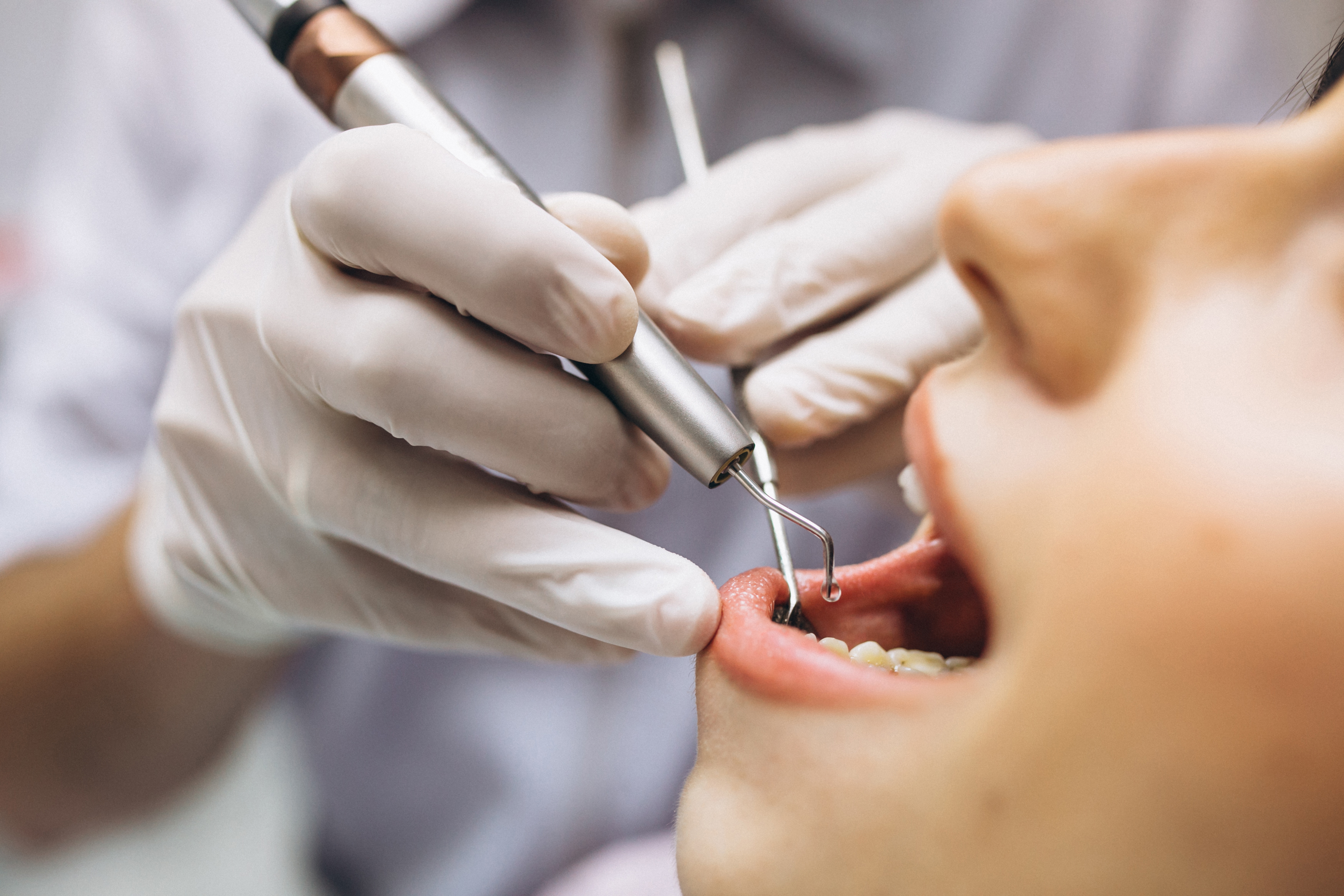
Your dentist can carry out a professional clean to remove hardened plaque and tartar that brushing and flossing at home cannot shift. After that, your daily routine helps keep your teeth and gums in better condition.2
Supportive Home Remedies: What the Evidence Says
Many people also wonder about home remedies as part of gum care. While some steps may offer temporary relief, they are not a substitute for removing plaque.3
Supportive steps can help your mouth feel fresher and more comfortable, but plaque removal remains the main focus. To complete your daily routine, using mouthwash can be used for a fresh, clean feeling after your everyday oral care.

Conclusion
The real key to healthier gums often lies in the basics that are easy to overlook: cleaning between your teeth daily, using a gentle but thorough brushing technique, and staying consistent with your routine. Early gingivitis can usually be reversed with the right care, but if symptoms do not improve or get worse, see a dentist for proper guidance.2
1. Gingivitis: Symptoms & How To Treat It – Cleveland Clinic - https://my.clevelandclinic.org/health/diseases/10950-gingivitis-and-periodontal-disease-gum-disease
2. About Periodontal (Gum) Disease | CDC - https://www.cdc.gov/oral-health/about/gum-periodontal-disease.html
3. Gingivitis: MedlinePlus Medical Encyclopedia - https://medlineplus.gov/ency/article/001056.htm
4. About Periodontal (Gum) Disease | Oral Health | CDC - https://www.cdc.gov/oral-health/about/gum-periodontal-disease.html
5. Toothbrushes | American Dental Association - https://www.ada.org/resources/ada-library/oral-health-topics/toothbrushes
6. Dental Floss/Interdental Cleaners | American Dental Association - https://www.ada.org/resources/ada-library/oral-health-topics/floss
7. Bleeding Gums – MouthHealthy (American Dental Association) - https://www.mouthhealthy.org/all-topics-a-z/bleeding-gums
8. Smoking, Gum Disease, and Tooth Loss | CDC - https://www.cdc.gov/tobacco/campaign/tips/diseases/periodontal-gum-disease.html
9. Oil pulling: Do dentists think it’s worth trying? - https://adanews.ada.org/huddles/oil-pulling-do-dentists-think-it-s-worth-trying/
10. Mouthrinse (Mouthwash) | American Dental Association - https://www.ada.org/resources/ada-library/oral-health-topics/mouthrinse-mouthwash
Frequently Asked Questions
A: There is no instant fix for gingivitis. The best approach is brushing twice a day, cleaning between your teeth once a day, and staying consistent with your oral care routine.2
A: Usually not. Gingivitis happens because of plaque buildup, so without changes to your oral hygiene routine, gum irritation may persist or get worse.4
A: A good routine includes brushing for two minutes twice a day with a soft brush, flossing daily, and cleaning the gumline thoroughly. Suitable oral care products can also help support your daily hygiene.
A: Yes, mouthwash can be a useful additional step in your routine. However, it should complement brushing and flossing rather than replace physically removing plaque.10