
Filtered by Oral Health Goal
Have you ever wondered about the purpose of those pointed teeth in your mouth? Often referred to as "canines" or cuspids, these teeth play a crucial role in our daily functions and overall oral health. Despite their importance, many people hold misconceptions about canine teeth—some even question their necessity. In this article, we’ll explore everything you need to know about human canine teeth, from their anatomy and function to common issues and care tips. As a brand dedicated to quality oral care, Darlie is here to guide you on a journey to better understand and maintain healthy canine teeth. By incorporating reliable oral care products like Darlie Toothpaste and Darlie Toothbrush into your routine, you can enhance your dental health organically.
Understanding Canine Teeth: Definition and Anatomy
What are Canine Teeth?
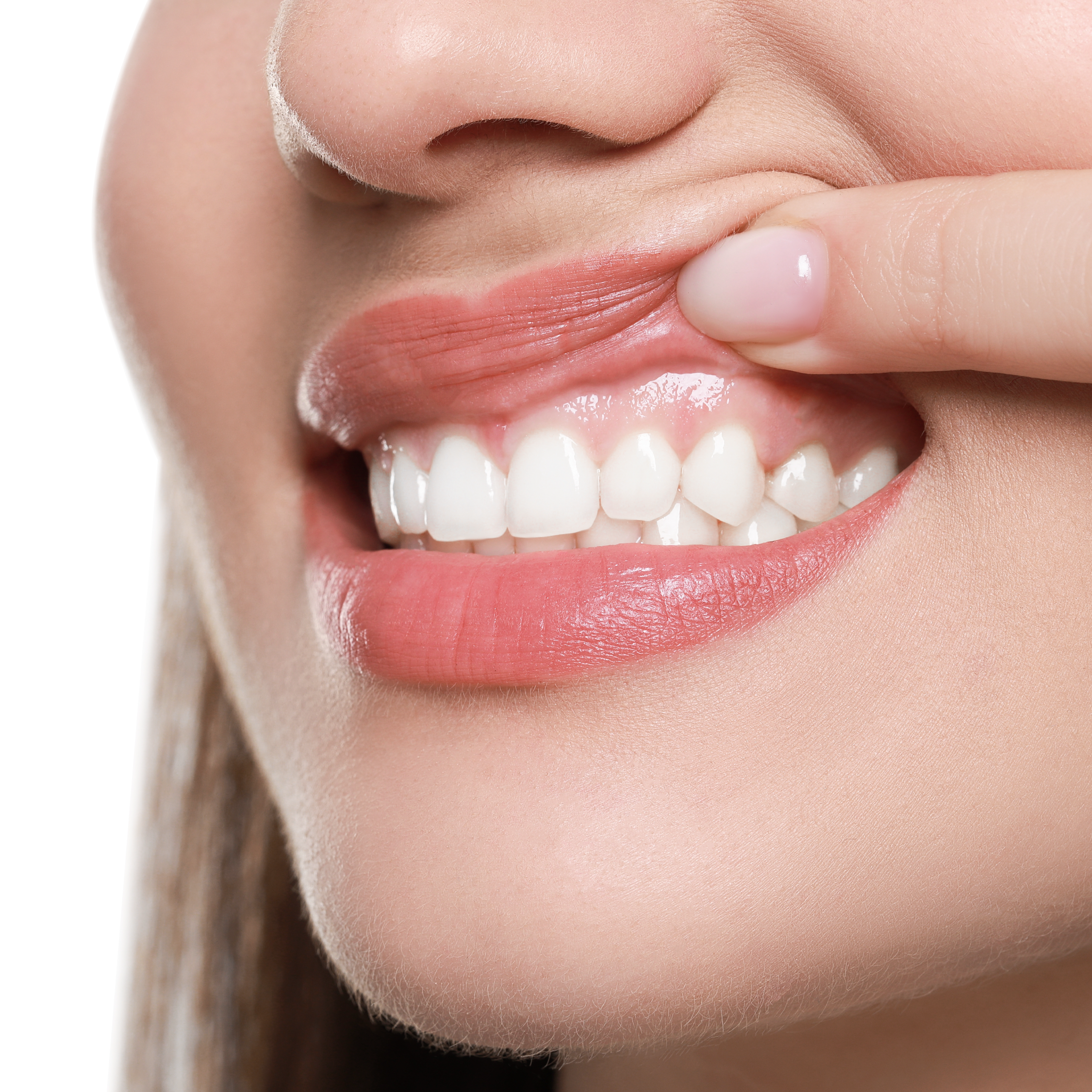
Canine teeth, also known as cuspids or eyeteeth, are the pointed teeth situated right beside the incisors and before the premolars. In a healthy adult dentition, you typically have four canines—two on the top (maxillary canines) and two on the bottom (mandibular canines). Recognizable by their sharp, pointed shape, these teeth are specifically designed to assist in tearing food, playing a critical role in initiating the chewing process.
Anatomical Features of Canine Teeth
The uniqueness of canine teeth lies in their anatomy. The crown features a prominent single cusp that contributes to their pointed appearance. This design, coupled with a thick enamel layer, not only makes them ideal for piercing food but also endows them with durability. The root of a canine tooth is generally long and singular, providing the necessary support and anchorage into the jawbone. Notably, the maxillary canines tend to be larger and more prominent than the mandibular ones, contributing significantly to facial aesthetics and overall smile symmetry.
Development and Eruption of Canines
Canine teeth begin their journey early in life. Typically, these teeth erupt in children between the ages of 9 to 12 years1. The gradual process—from being nestled within the jawbone to emerging in the dental arch—is crucial for proper alignment and function. However, sometimes issues such as impaction arise, where the canine fails to erupt correctly due to factors like crowding or genetic predispositions. Recognizing these challenges early on is essential for timely intervention, which may include orthodontic treatments like braces or even minor surgical procedures to guide the tooth into its proper place.
The Vital Functions of Canine Teeth
Tearing and Grasping Food
One of the primary functions of canine teeth is to assist in the initial breakdown of food. Their pointed shape is perfectly engineered to tear and grasp, working together harmoniously with incisors (which cut food) and molars (which grind it). This coordinated action is a key element of a balanced diet and efficient digestion. Integrating a responsible oral care routine—like using a high-quality product such as Darlie Toothpaste, which offers fluoride protection and natural ingredients—can help maintain the strength and integrity of these teeth during daily use.

Role in Speech and Pronunciation
Apart from their mechanical role in eating, canines contribute significantly to speech. They play a part in the articulation of certain sounds by aiding tongue placement2. When these teeth are misaligned or missing, it can sometimes lead to speech impediments. Taking care of your canines ensures not only efficient chewing but also clear and precise pronunciation. A consistent cleaning routine with the appropriate dental hygiene products helps maintain their position and health, thereby preserving your natural speech patterns.

Maintaining Facial Structure and Aesthetics
Beyond function, canine teeth have a vital role in supporting facial structure. They help define the corners of the mouth, contributing to an overall balanced and attractive smile. Proper alignment of the canines prevents the mouth from appearing sunken and maintains facial symmetry3. It’s clear that missing or damaged canines can affect both health and aesthetics. That’s why caring for these teeth is as much about maintaining visual appeal as it is about ensuring optimal oral function.

Common Problems Associated with Canine Teeth

Canine Impaction and Misalignment
One of the challenges related to canine teeth is impaction, which occurs when a tooth fails to erupt correctly into the oral cavity. This may be due to overcrowding or genetic factors, often leaving the impacted tooth in an abnormal position. In such cases, orthodontic procedures, including braces or even minor surgical treatments, are recommended to guide the tooth into alignment. Early diagnosis and intervention are key to avoiding further complications.
Canine Tooth Decay and Gum Problems
Like every other tooth in your mouth, canines are vulnerable to dental decay and gum problems if not properly cared for4. Maintaining excellent oral hygiene is crucial to preventing these issues. Incorporating products that offer both gentle cleaning and effective protection—such as the dual benefits provided by Darlie Toothpaste with its fluoride and whitening capabilities—can help safeguard these teeth. Furthermore, ensuring you have the right brushing tool, like the versatile Darlie Toothbrush with options ranging from soft and thin bristles to travel-friendly designs, supports comprehensive oral care.
Canine Root Resorption
Another challenge linked with canine health is root resorption, a condition where the tooth's root structure deteriorates. This is frequently seen in impacted canines exerting pressure on adjacent teeth5. Detecting such conditions early through regular dental check-ups is important to prevent irreversible damage. Relying on proper dental care routines along with the consistent use of reliable oral care products can help preserve the integrity of your tooth roots.
Caring for Your Canine Teeth: Tips and Best Practices
Proper Brushing and Flossing Techniques
For the health and longevity of your canines, proper brushing and flossing routines are indispensable. Experts recommend brushing at least twice a day using a fluoride toothpaste that not only cleans effectively but also strengthens enamel. For instance, Darlie Toothpaste offers a gentle yet effective formula enriched with natural ingredients that provide whitening, fluoride protection, and gum care. Using a toothbrush like the Darlie Toothbrush can further enhance this routine, as it comes with varied bristle designs tailored to meet the specific needs of your teeth—whether at home or on the go. Remember, using a gentle circular motion while brushing, and supplementing with daily flossing, ensures that plaque and debris are thoroughly removed from around the canines.
The Role of Diet in Canine Health
Your diet plays a pivotal role in protecting and nourishing your canine teeth. Foods high in sugars and acids can erode enamel, contributing to decay. Conversely, a balanced diet rich in vitamins and minerals strengthens teeth over time. Incorporate foods such as cheese, nuts, and leafy greens that are known to be particularly beneficial for oral health. By taking a holistic approach that includes both nutrition and a dependable oral care routine with products like Darlie’s, you’re more likely to preserve the function and aesthetics of your canines.
Regular Dental Check-ups and Professional Cleaning
Even the best daily care routine should be complemented by regular dental visits. Professional check-ups and cleanings allow dentists to detect early signs of problems and provide preventive care, such as fluoride applications or minor corrective treatments. Proper monitoring is especially important for canines, where issues like impaction and root resorption may require timely interventions. Consider scheduling regular appointments and discussing any concerns with your dental care provider to ensure your smile stays healthy. And, when combined with daily use of well-designed products like Darlie Toothpaste and the Darlie Toothbrush, you embrace a well-rounded approach to oral hygiene.

Conclusion
Canine teeth are much more than just pointed fixtures in your smile. They play indispensable roles in tearing and grasping food, facilitating clear speech, and maintaining a balanced facial structure. Given their significance, proper care is paramount—starting with daily hygiene routines and reinforced by regular dental check-ups. Using high-quality oral care products such as Darlie Toothpaste, which provides fluoride protection, whitening, and gum care, alongside the Darlie Toothbrush with its diverse design options, can make a world of difference for your dental health.
Embracing these practices doesn’t just help prevent common issues like decay, impaction, and even root resorption—it also ensures that your canine teeth continue to support your oral functions and enhance your smile’s aesthetics. So, whether you’re focused on maintaining a healthy diet, refining your brushing technique, or simply seeking the best products to support your dental care routine, make sure your canine teeth receive the attention they deserve.
Prioritize your oral health in a natural, holistic way. Take a step today to learn more about effective dental products and techniques by visiting the Darlie website or consulting with your dentist. With the right approach and quality products, achieving and maintaining a bright, healthy smile is well within your reach.
1. https://www.longmontkidsdentist.com/blog/1358190-tooth-eruption-timeline
2. https://royalimplant.com/blogs/role-of-teeth-in-speech-phonetics/
3. https://journals.sagepub.com/doi/10.1179/1465313314Y.0000000118?icid=int.sj-abstract.citing-articles.5
4. https://pmc.ncbi.nlm.nih.gov/articles/PMC5988540/
5. https://onlinelibrary.wiley.com/doi/10.1155/2023/2602899
2. https://royalimplant.com/blogs/role-of-teeth-in-speech-phonetics/
3. https://journals.sagepub.com/doi/10.1179/1465313314Y.0000000118?icid=int.sj-abstract.citing-articles.5
4. https://pmc.ncbi.nlm.nih.gov/articles/PMC5988540/
5. https://onlinelibrary.wiley.com/doi/10.1155/2023/2602899