
Filtered by Oral Health Goal
Tonsil stones, also called tonsilloliths, are small, hard lumps that can form in the tiny pockets on your tonsils. Your tonsils are small, soft tissues at the back of your throat. They are part of your immune system and help protect your body against infection by trapping bacteria and viruses.
While a tonsil stone might not be a household term, they are more common than many think. These small, calcified deposits form in the crevices of your tonsils, sometimes causing discomfort or noticeable symptoms. In this article, we explore the symptoms, tonsil stone causes, safe removal methods, and tips for how to prevent tonsil stones—all while highlighting how quality oral care can make a difference.
What Are Tonsil Stones and What Causes Them?
To understand what is tonsil stones formation, we must look at the anatomy of the throat. Tonsil stones, or tonsilloliths, are essentially hardened accumulations of bacteria, mucus, dead cells, and food debris that lodge in the tonsillar crypts1. While anyone can develop these deposits, certain factors can increase your susceptibility.
Several key tonsil stones causes include:
Making simple adjustments to your daily care—such as thorough cleaning and staying hydrated—is the best way for how to prevent tonsil stones.

Recognizing Tonsil Stones: Symptoms to Watch Out For
A tonsil stone can be elusive if it nestles deep within the tonsillar folds, but there are several recognizable symptoms that may help you identify them:
Visible Signs

Oral Discomfort

Other Potential Indicators

Safe and Effective Tonsil Stone Removal Methods
If you are looking for how to remove tonsil stones at home, it requires care and caution to avoid irritating or injuring the delicate tissues of the throat. Here are some gentle methods for tonsil stones removal:
At-Home Care
Professional Treatment
If at-home remedies are ineffective, or if the stones are large and painful, professional medical intervention is necessary. Healthcare professionals can manually remove tonsil stones using specialized tools (curettage) or, in chronic cases, discuss further medical options6.
How to Prevent Tonsil Stones: The Role of Oral Hygiene
Prevention is the most effective approach. Maintaining a high standard of oral hygiene is your best defense against the accumulation of debris that leads to tonsil stones.
Maintain a Comprehensive Routine

Stay Hydrated
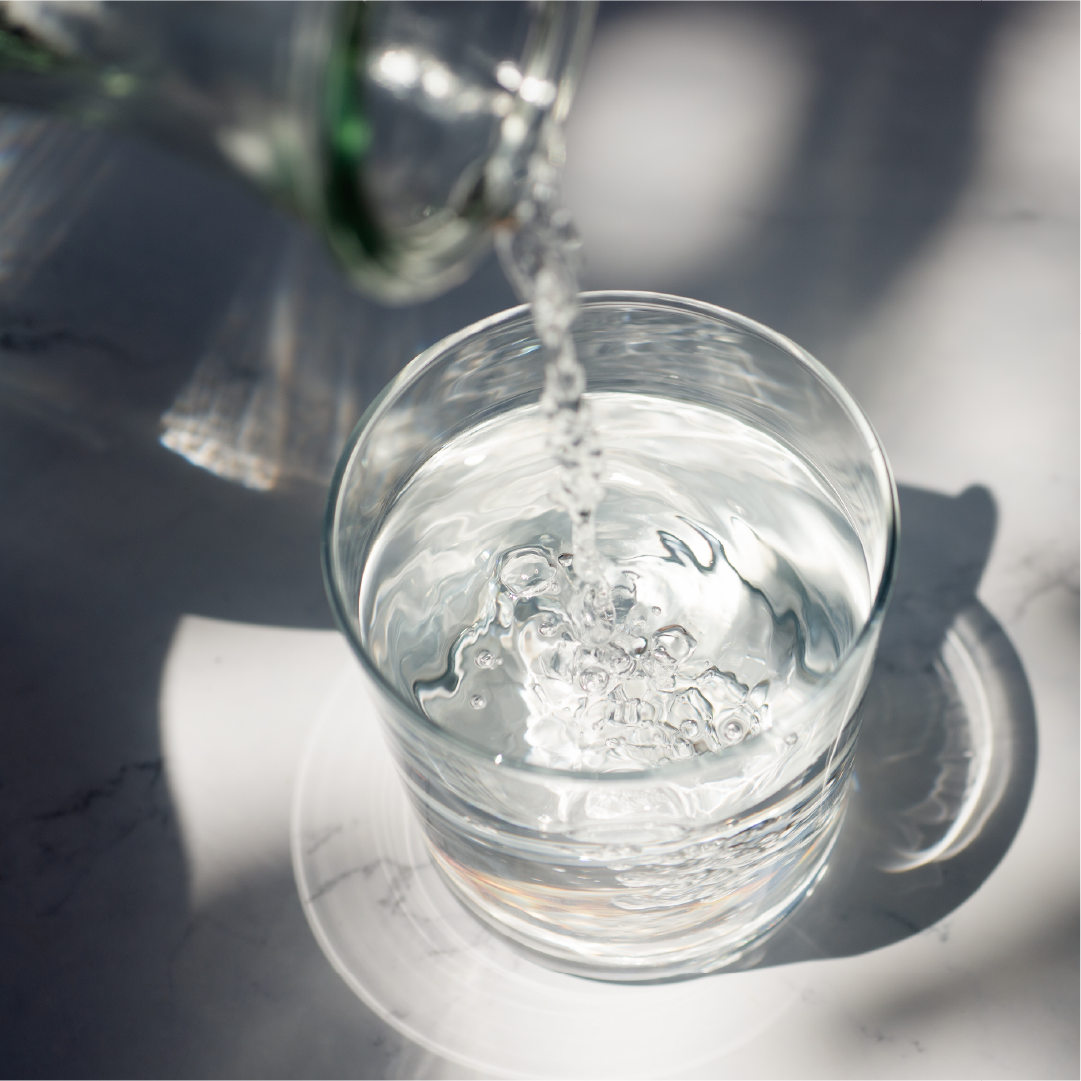
Drinking plenty of water throughout the day helps maintain adequate saliva flow. Saliva helps naturally cleanse the mouth and flushes away potential stone-forming debris7.
Lifestyle and Professional Checkups
In some individuals, limiting dairy consumption may help reduce the thickness of mucus8. Most importantly, regular dental checkups allow for professional cleaning that removes the plaque and tartar that contribute to the overall bacterial environment of the mouth.

Conclusion
Tonsil stones may be small, but they can significantly impact your comfort and breath freshness. By understanding the symptoms and tonsil stones causes, you can take proactive steps toward management and prevention.
A robust daily oral hygiene routine is the foundation of a healthy mouth. By focusing on thorough cleaning, hydration, and regular professional care, you can minimize the risk of a tonsil stone and ensure your oral wellness remains a priority. Whether you are seeking how to remove tonsil stones or looking for ways on how to prevent tonsil stones in the future, the key lies in consistency and gentle care.
1. https://www.kentuckianaent.com/news/what-are-tonsil-stones-made-of
2. https://www.entinfo.nz/tonsilloliths/
3. https://www.scripps.org/news_items/7239-are-tonsil-stones-causing-your-bad-breath
4. https://www.webmd.com/oral-health/tonsil-stones-tonsilloliths-treatment-and-prevention
5. https://www.uclahealth.org/news/article/tonsil-stones-usually-harmless-may-require-visit-ent
6. https://www.entcarecenters.com/blog/how-to-remove-tonsil-stones
7. https://thesugarlanddentist.com/blog/does-drinking-more-water-protect-your-teeth/
8. https://onlinelibrary.wiley.com/doi/full/10.1002/lary.27287
2. https://www.entinfo.nz/tonsilloliths/
3. https://www.scripps.org/news_items/7239-are-tonsil-stones-causing-your-bad-breath
4. https://www.webmd.com/oral-health/tonsil-stones-tonsilloliths-treatment-and-prevention
5. https://www.uclahealth.org/news/article/tonsil-stones-usually-harmless-may-require-visit-ent
6. https://www.entcarecenters.com/blog/how-to-remove-tonsil-stones
7. https://thesugarlanddentist.com/blog/does-drinking-more-water-protect-your-teeth/
8. https://onlinelibrary.wiley.com/doi/full/10.1002/lary.27287